Staying sober is easier at home, where your routines and the people around you quietly do half the work for you. Take yourself out of that on a solo trip and every choice is suddenly yours alone - which is what makes traveling by yourself one of the best low-stakes ways to practice the sober living skills that hold up in the real world. This isn't therapy, and it isn't a stand-in for real recovery support. It's a clear head, an unfamiliar place, and a week of small decisions that prove a good time doesn't have to come out of a bottle.
What Do You Call Your "Guys Trips"?
Away from your usual bars, buddies, and stress triggers, the habits that keep you sober stop being automatic and become choices you make on purpose. A trip you plan by yourself is a controlled place to practice them.
- Planning ahead so temptation never gets a foothold - hotels, food, and activities that don't revolve around drinking.
- Carrying your daily routine with you - sleep, real meals, movement, water, and a check-in with your people back home.
- Sitting with boredom, loneliness, or an awkward hour instead of reaching for a drink to smooth it over.
- Saying no to a round, a bar crawl, or a situation that feels off - without making it a whole thing.
- Finding the sober version of a good night, then bringing whatever worked back home.
One caveat before we go further: this is a travel article, not medical advice. If you're early in recovery, talk to your sponsor, therapist, or recovery group before you head out alone. Some triggers are better handled with support close by, and there are no bonus points for going solo before you're ready.
That support system is where the real work starts. Programs and rehab centers are built to help you lay that foundation, but building it is the first step, not the finish line.
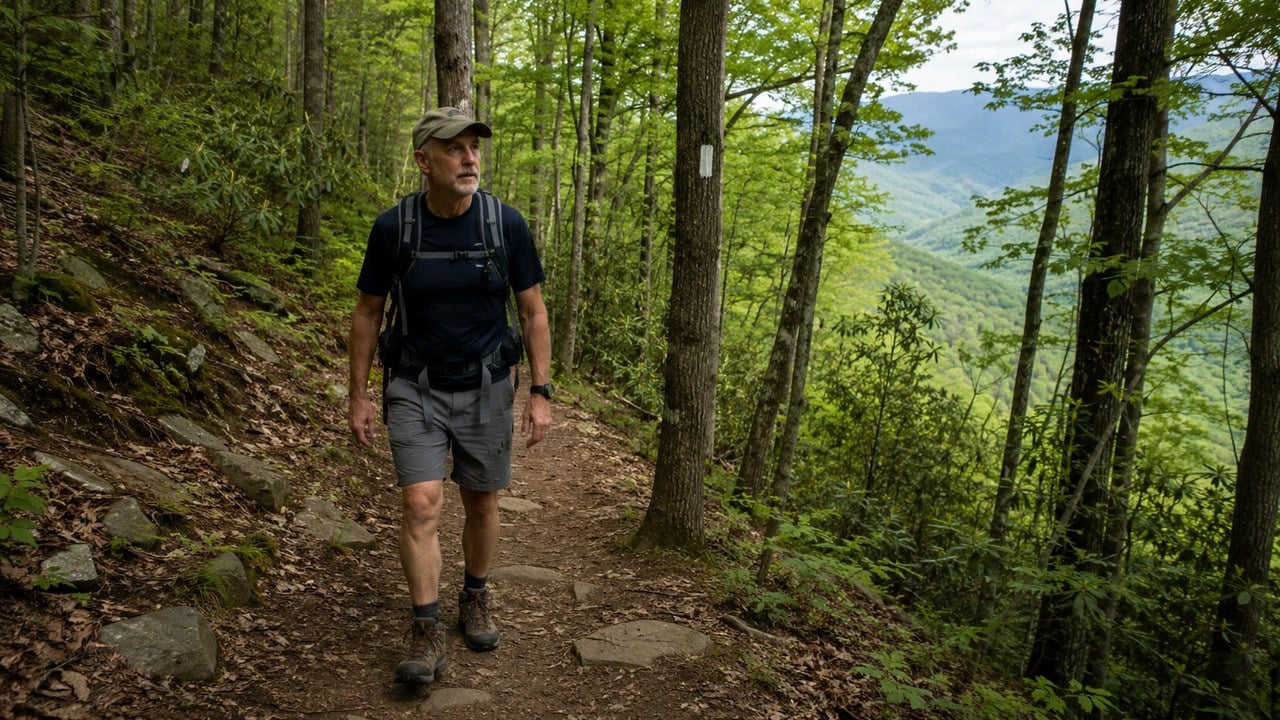
At some point the work leaves the treatment room for ordinary life: a work trip, a wedding, a weekend when the guys all have ice-cold cans in their hands and you're the one holding a Diet Coke. A solo trip lets you rehearse that on your own terms, before the stakes are high. It doesn't have to be far-flung, either - a few days on a section of the Appalachian Trail, a quiet week in an unfamiliar city, or a carefully planned cruise all give you room to practice.
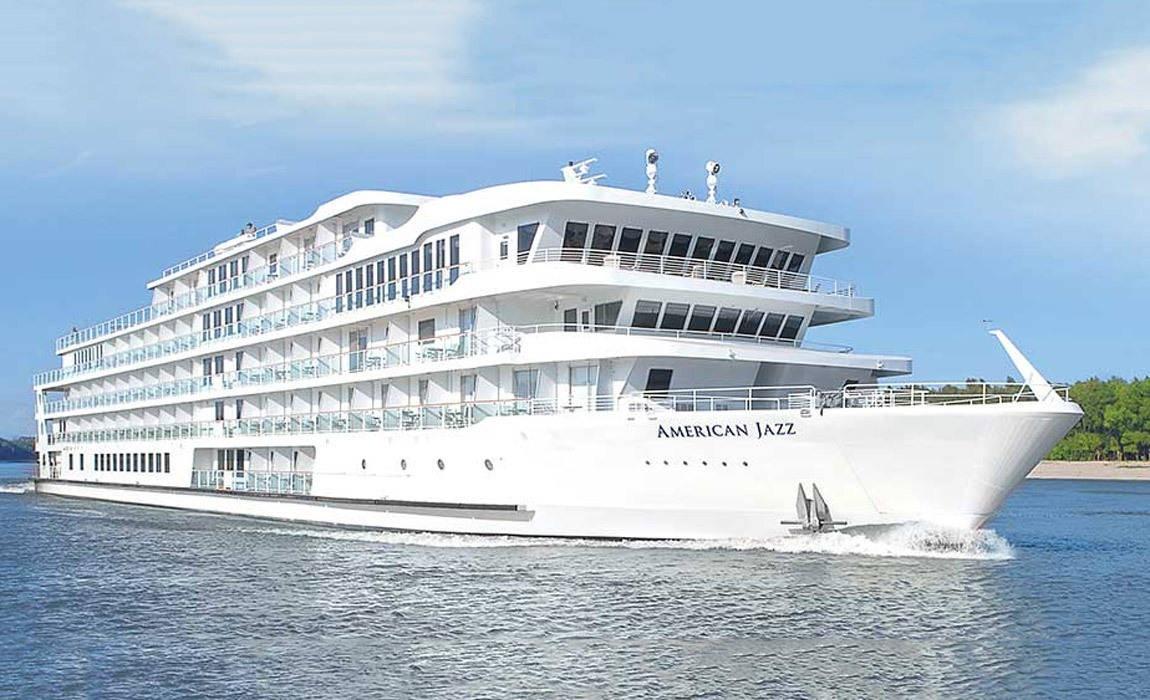
American Cruise Lines Music Cities Cruise is For Guys Who Love BBQ, Whiskey, and Music
American Cruise Lines Music City cruise from Memphis to Nashville is for lovers of music, bbq, and whiskey.
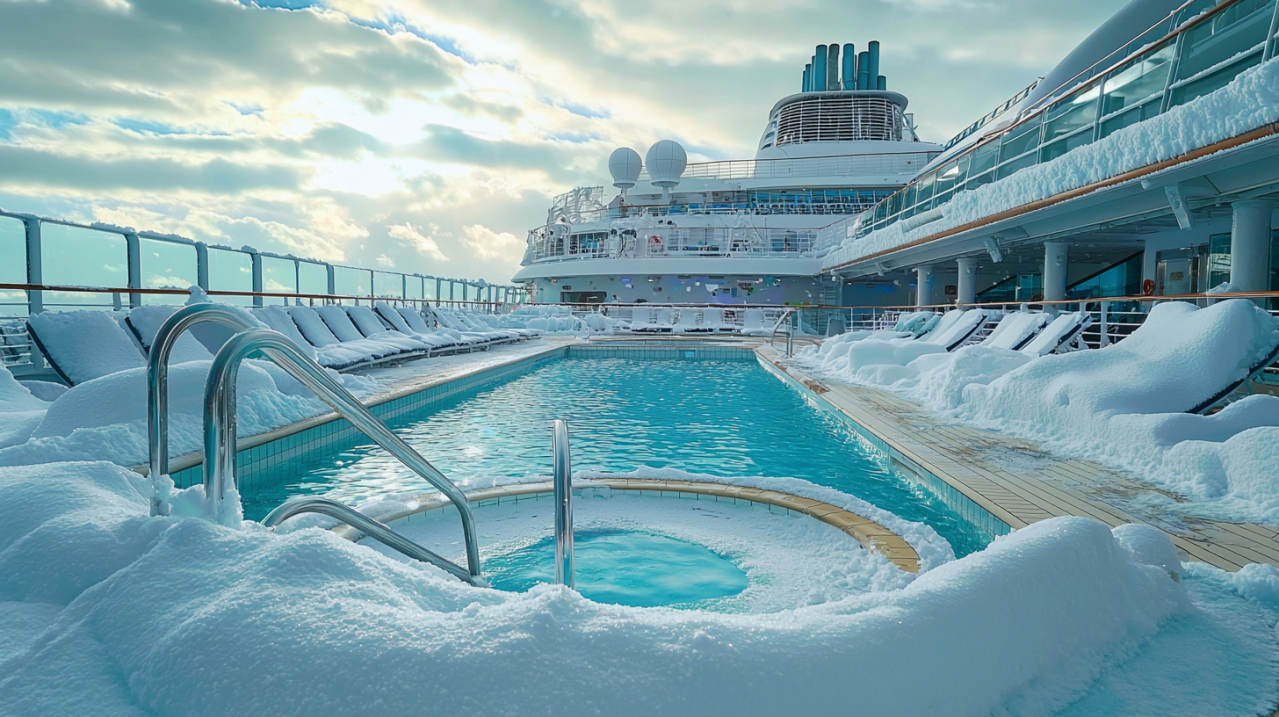
What To Expect If It Snows On Your Cruise Vacation?
Learn how cruise ships handle snowfall, from activity changes to safety measures, ensuring passengers stay comfortable and entertained during winter weather.

7 Days Trip Discover Northern Thailand
A 7 day guided journey through northern Thailand covering Chiangmai, Mae Sariang, Mae Hong Son, Pai, Thaton and Chiangrai, ideal for culture lovers.

Visit paradisiac Islands in La Paz
We are the only local tour company that offers tours to these islands (San Francisquito, El Pardito & San Jose). We cross the Sierra La Giganta by ground transportation and offer an unique experience by showing off the real Baja.
Promoted by FlowAds

Build an Itinerary That Doesn't Revolve Around Drinking
Planning ahead is the sober skill travel teaches best, because going solo forces you to make every call in advance. Nobody else is booking the hotel by the party district or the table at the brewery.
When you build the itinerary, alcohol stops being the center of gravity. You pick the hotel with a gym and good coffee nearby, the restaurants you actually want for the food, the day tours that start too early to leave room for a big night out.
It's the same muscle you use at home when you plan a weekend so you're not stuck with empty hours. On the road it's just more obvious. Decide where you're going and what you're doing before you land, and most of the moments where a bad decision sneaks in are already gone.
Man Gear Pick of the Month
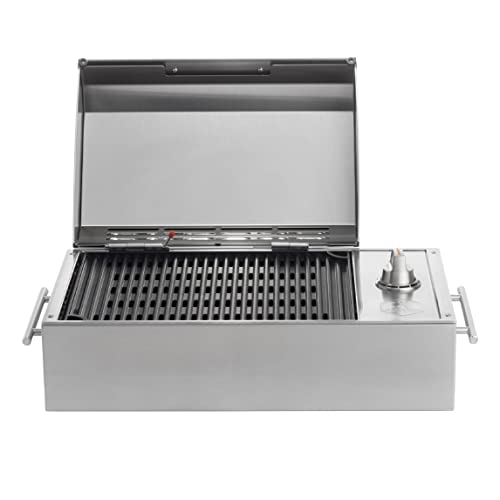
Kenyon City Grill Portable Stainless Steel Electric Grill
Why we picked it: a grill you can actually carry to the campsite, the tailgate or the cabin without borrowing a truck. Stainless, no propane tank to wrestle, and hot enough to cook for four guys rather than reheat for one.
 August's Pick LiberNovo Maxis Electric Big and Tall Ergonomic Office Chair, Graphite 52cm $1,466.00
  July's Pick Powerful Propane Torch Gun, Adjustable Flame Thrower Gun, Kitchen Torch with Detachable Design, Flamethrower Blow Torch for BBQ, Searing Steak, Welding, Camping Charcoal Lighter(Tank Not Included) $41.99
  June's Pick OYASUMI Funny BBQ Man Hot Dog Holders, 4 PCS Reusable Stainless Steel Sausage Stands, Portable Hot Dog Roasters, Barbecue Grill Accessories for Camping & Party Gifts $14.98
 Promoted by FlowAds

Keep Your Sleep, Meals, and Movement on a Schedule
The fastest way for a trip to go sideways is treating it as a vacation from your rules. The guys who stay steady pack their routine along with their socks: the same wake-up time, real meals instead of grazing, some daily movement, enough water, a standing check-in with someone back home.
A structured trip makes that almost automatic. Walking the Camino de Santiago can work so well for a first big sober trip because the route hands you a rhythm - walk, eat, rest, sleep, repeat - so you're never staring at an empty calendar.
You don't have to fly to Spain for it. A week on a section of the Appalachian Trail does the same job closer to home, and leaves you too tired at night to miss the bar. A hiking base camp, a city with a museum list, or a cruise with the excursions already booked all give a day the same shape.
Learn to Sit With Boredom Instead of Drinking Through It
Solo travel comes with a lot of dead air, and that's the useful part. The long train ride. The dinner by yourself. The Tuesday when the novelty has worn off and you're a little bored and a little lonely.
For a lot of guys, that exact discomfort is what drinking used to paper over. Traveling alone puts it in front of you in small doses and teaches you that boredom and loneliness are weather, not emergencies. They pass.
You can take a walk, call someone, sit with a coffee and a book, or just be bored for an hour and find out it didn't kill you. That's a rep you can't get at home, where a distraction is always one couch away.
Say No to a Drink Without Turning It Into a Speech
You'll get offered a drink more than you expect - the guy at the hostel bar, the tour group heading out after dinner, the bartender who just assumes. The skill isn't dodging all of it. It's saying "I'm good, just a soda" in a flat, easy tone and moving on, with no lecture and no apology. Say it a few dozen times in a week and it stops feeling like a confrontation.
A cruise is the advanced version, and it's worth being honest about: drink packages, sail-away parties, a bar every thirty feet. It can still work - the same ship has a gym, a spa, shore excursions, specialty restaurants, and quiet decks at sunrise - but only if you plan for it and stay honest about whether you're ready for that much open bar.
Part of the skill is knowing which trips to skip entirely.
Find the Sober Version of a Great Night Out
Sobriety doesn't mean sitting in your hotel room. It means finding the version of connecting that doesn't run through a bar tab, and travel is full of those: a food tour, a cooking class, a dive shop, a Muay Thai gym, a group hike, a pickup game, a volunteer morning. All of them put you next to people around a shared activity instead of a shared bottle.
Being somewhere unfamiliar makes that easier, not harder. You're already outside your comfort zone, so trying the thing is a smaller leap.
Thailand is a good example - our solo travel guide to Thailand covers a country where street food, temples, markets, and day trips give you plenty to build a trip around that has nothing to do with drinking. New to going it alone? A few of these cities that build solo-travel confidence are a gentler first attempt than a remote trek.
Debrief the Trip Before You Fly Home
The last skill is the one most guys skip: the debrief. Before you fly home, spend ten minutes - phone, notebook, whatever - on three questions. What worked? What was harder than I expected? What do I want to keep doing when I'm back?
Maybe the morning walk kept your head straight and you want to protect it at home. Maybe the third night was rough and you learned a check-in call has to be scheduled, not optional.
A trip you don't reflect on is just a nice week. A trip you debrief turns into habits you actually keep.
Start With Four Nights, Not Two Weeks
If this is your first sober solo trip, keep it short. Four nights, not two weeks - long enough to hit the boring Tuesday and prove you get through it, short enough that you're testing yourself instead of white-knuckling for a fortnight.
Pick something with built-in structure - a trail, a class, a city with a list - so the plan carries you on the days your motivation doesn't.
And be honest about the timing. A solo trip is one tool, not the whole toolbox, and it's no replacement for the sponsor, the group, and the structured recovery that keep you steady year-round. But if you're ready to go, going alone is the clearest way to find out what a good time actually feels like when you're all the way there for it.

Promoted by FlowAds
