
Picture the package. White carton, thin sans-serif type, a molecular diagram printed in pale blue, a batch number in a monospaced font, and the word "formulation" where another brand would have written "blend". Nothing on it names a disease. Nothing on it makes a promise a lawyer would underline.
It will still slow down a merchant application, because the design is doing the work a claim would otherwise do. Every reviewer who opens the file knows it.
Clinical Aesthetics and Implied Claims
Advertising law does not distinguish between a claim made in words and an impression created by design. What matters is the net impression a reasonable consumer takes from the whole presentation. That includes typeface, color, imagery, and the vocabulary borrowed from pharmacy shelves.
Packaging that visually resembles a prescription product suggests the product was developed, tested and regulated the way a prescription product is. For a cannabinoid supplement none of those things is true, and the gap between what the design suggests and what the regulatory file supports is exactly the gap enforcement actions are built on.

Awesome Ideas For Single Guys To Explore In The Philippines
From beautiful beaches to fishing, snorkeling, and even nightlife. There's a ton of great travel ideas for single men to explore in the Philippines.

Alaska's Cultural Side: Why Cruising the Last Frontier Is More Than Just Scenery
Visiting Alaska is about more than just natural beauty, it is an opportunity to explore a unique culture and escape from the rest of the world.

Transport & Customized tours of Sri Lanka!
Customized Sri Lanka tours with transport, led by qualified local guides with over 8 years of experience, for travelers seeking the best.

Cruise Ship Wi-Fi Guide for First-Time Cruisers
First-time cruiser connectivity made simple: ship Wi-Fi versus cellular day passes, which cruise lines include internet, security considerations for banking, and practical strategies to match your usage without overspending.
Promoted by FlowAds

This catches careful companies, because the design decision usually happens before anyone writes a claim. A founder briefs an agency for something that looks credible and scientific. The agency delivers precisely that. Nobody at either company thinks of the result as a claim. By the time the copy is written the visual promise has already been made.
The practical test is uncomfortable but simple. Show the unlabeled carton to someone unfamiliar with the brand and ask what kind of product it is. If the answer involves a pharmacy, a prescription or a doctor, the design has made a claim the paperwork has to support.
Borrowed Authority in Adjacent Categories
Skincare has run this experiment already, which is useful because the outcomes are visible. Terms like medical-grade skincare have no industry standard definition behind them and function as subjective marketing language. The category has spent a decade absorbing the consequences.
Man Gear Pick of the Month
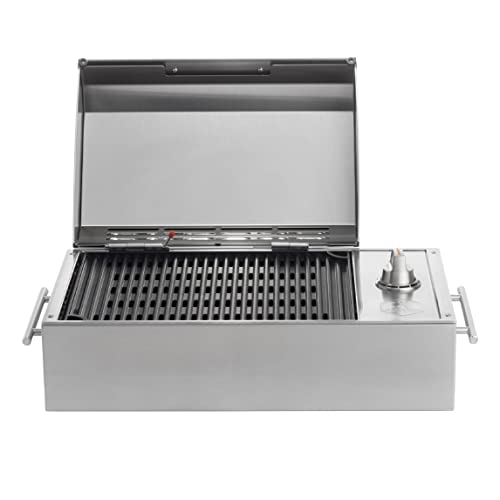
Kenyon City Grill Portable Stainless Steel Electric Grill
Why we picked it: a grill you can actually carry to the campsite, the tailgate or the cabin without borrowing a truck. Stainless, no propane tank to wrestle, and hot enough to cook for four guys rather than reheat for one.
 August's Pick LiberNovo Maxis Electric Big and Tall Ergonomic Office Chair, Graphite 52cm $1,393.00
  July's Pick Powerful Propane Torch Gun, Adjustable Flame Thrower Gun, Kitchen Torch with Detachable Design, Flamethrower Blow Torch for BBQ, Searing Steak, Welding, Camping Charcoal Lighter(Tank Not Included) $42.99
  June's Pick OYASUMI Funny BBQ Man Hot Dog Holders, 4 PCS Reusable Stainless Steel Sausage Stands, Portable Hot Dog Roasters, Barbecue Grill Accessories for Camping & Party Gifts $7.98
 Promoted by FlowAds

The founder of one celebrity beauty line put the problem plainly in an interview about what clean beauty marketing gets wrong, noting that consumers believe they are buying something better while no rules, laws or standards restrain the language being used to sell it.
Cannabinoid products sit in a worse position than skincare, because the FDA has taken a public position on the category and because the products are ingested. Unregulated adjectives on a moisturizer raise a consumer protection question. The same adjective on a tincture raises a drug question, and the agencies involved are different.
The lesson skincare offers is about sequence rather than severity. Loose terminology spread through that category faster than any regulator responded to it. The correction arrived years later through litigation and retailer standards instead of rulemaking. Cannabinoid brands are entering the same cycle with a federal agency already on record, which compresses the timeline considerably.
Clinical Branding at Onboarding
Reviewers scoring an application look at the site and the packaging before they read the product list. Brands presenting themselves in medical dress invite the question of what they are actually selling, and firms handling hemp payment processing applications treat that question as unresolved until the file answers it.
Two brands with identical products and different art direction get different quotes. The design carries no legal weight of its own, and it changes what a reviewer expects to find.
Accompanying Copy and Claim Creep
Clinical design pulls the copy toward it. Once the package looks pharmaceutical, the product description starts using "indicated for" instead of "made for", the FAQ acquires a section on interactions, and someone adds a chart. Each step is small and arguable on its own, and the sequence ends somewhere a regulator will read as a drug claim.
The same drift shows up in launch marketing across the wellness aisle. Coverage of new beauty launches routinely documents products whose promotional framing runs well ahead of anything demonstrated. Consumers calibrate their expectations to the framing rather than the evidence.
Visual language deserves the same scrutiny as the written kind. Work on typography in logo design shows how deliberately typefaces are chosen to signal seriousness, tradition and trust, which is precisely the mechanism at issue here. Serif and clinical sans-serif choices are not neutral. Brands that selected one for its authority cannot later argue the authority was accidental.
Presenting a Clinical Brand Safely
Scientific presentation is available to any company willing to be scientific in substance. Publishing the certificate of analysis, stating the extraction method, naming the laboratory and its accreditation, and printing the milligram content per serving all earn the aesthetic honestly.
The distinction is between design that reports verifiable facts and design that implies unverifiable ones. A molecular diagram of cannabidiol is accurate. A stylized image of a cell membrane suggesting a mechanism of action inside the body is a claim rendered as art.
Reviewers respond well to brands that anticipate the question. An application including a short note explaining the visual language, and pointing to the documents that support it, resolves in one pass what would otherwise take three rounds of correspondence.
The same note serves later. Retailers, insurers and advertising platforms all conduct their own version of this review. A brand that has written the explanation once can send it four times.
Design review belongs in the same approval gate as copy. Most companies route product pages through compliance and send packaging straight from the agency to the printer, which is how a carton ends up making a claim no one signed off on. Adding one reviewer to the artwork sign-off costs almost nothing and closes the most common route by which an implied claim reaches the market.
A Working Definition of Clinical Branding
Clinical branding is the practice of borrowing the visual grammar of regulated medicine to sell something that is not regulated as medicine. That definition contains its own warning. The value of the borrowed grammar comes entirely from the regulatory rigor the brand has not undergone, which is why regulators and banks treat it as a claim rather than a style. Companies that want the credibility of a laboratory can build one, document it, then put the results on the carton. Everything else is costume, and it gets priced accordingly.

Promoted by FlowAds
