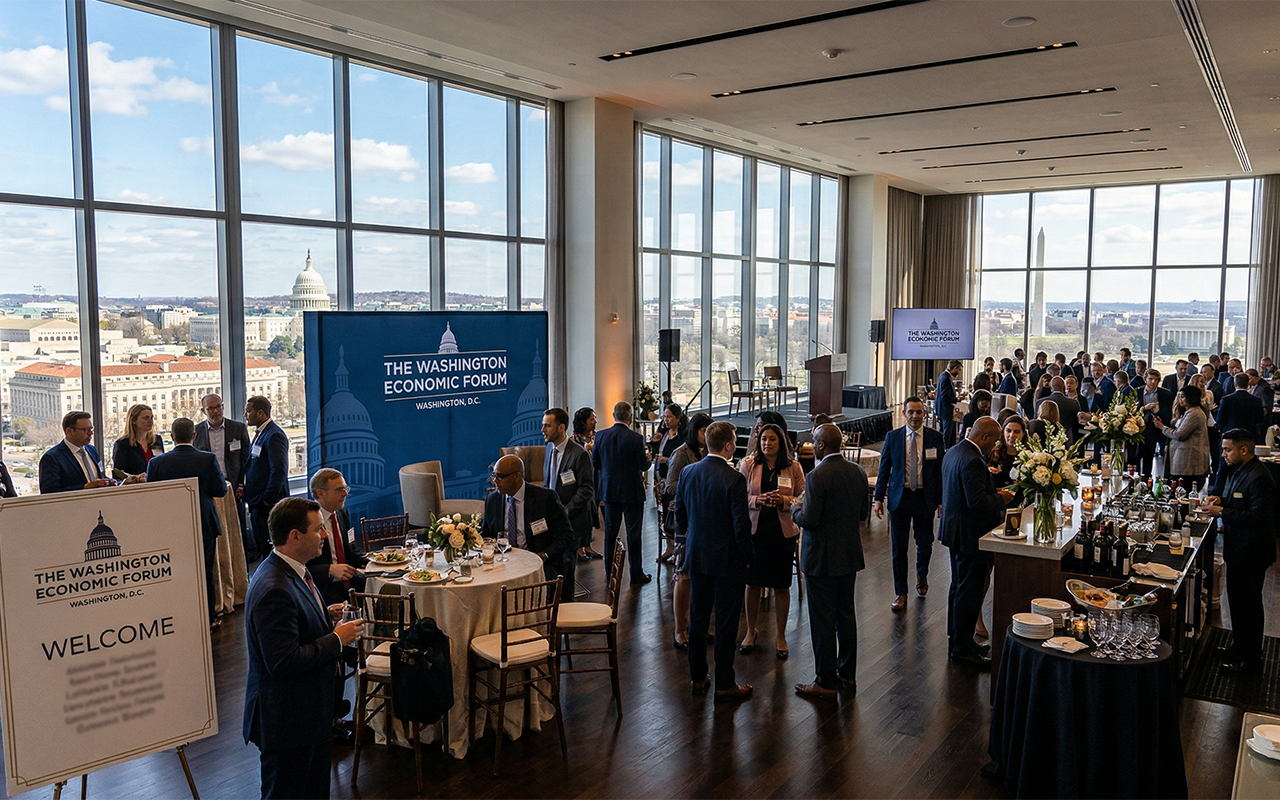
More than $8.7 billion gets spent on private events each year in the District of Columbia. From historic Georgetown row houses to sleek rooftop lounges in Navy Yard, the options for venues are endless, but the fine print is often where the real party ends.
Most people assume a signed contract is a simple formality to secure a date. In reality, these documents are dense legal maps that determine who pays when a pipe bursts or a guest slips on a spilled drink.
What Venue Contracts Actually Say When You Read Them
Negotiating a space in a city with property values as high as DC's requires a sharp eye for clauses that favor the landlord over the host. One of the most common pitfalls involves "exclusive vendor" requirements. Many premium spaces in the District require you to use their preferred catering or security teams, which can inflate your budget by 20% or more without notice. Always ask for a full list of these partners before signing to ensure their pricing aligns with your expectations.
Equally important is the "indemnification" clause, which can legally hold you responsible for damages caused by the venue's own equipment. If you are feeling overwhelmed by the complexities of these agreements, consulting a commercial real estate law expert can provide the clarity needed to navigate DC's venue contracts, local regulations, and liability requirements.

What First-Timers Get Wrong About Booking a Boutique Hotel in Tel Aviv
First-timer guide to booking a boutique hotel in Tel Aviv for a guys trip - how to spot real boutique properties, pick the right neighborhood, and avoid the beachfront premium trap.

Alila Marea Resort Features One Of The Best Beach Views In North County San Diego
The Alila Marea beach resort in San Diego is one of the few truly beach front hotels and resorts in San Diego, California.

6 Days 5 Nights Northern Vietnam Tour
6 day Northern Vietnam tour with hidden gems, local cuisine and passionate guides. Ideal for curious travelers seeking more than the typical tourist route.

Majesty Of Untouched Northern Vietnam Tour 6 Days
A 6-day northern Vietnam tour through Ha Giang, Ba Be Lake and Ban Gioc Waterfall, ideal for nature lovers seeking untouched landscapes.
Promoted by FlowAds

Fees, Taxes, and Permits That Catch You Off Guard
Beyond the base rental rate, the District has specific tax and permitting rules that can catch a planner off guard. The DC Office of Tax and Revenue typically applies a specialized sales tax to short-term rentals and related services. If your contract doesn't explicitly state whether taxes are included in the quoted price, you might face a four-figure surprise on your final invoice.
Safety regulations are another area where contracts often remain silent until a problem arises. The DC Department of Buildings requires specific certificates of occupancy for various types of gatherings. If the venue lacks the proper permits for your specific guest count or event type, the Fire Marshal has the authority to shut you down mid-toast.
When reviewing your next agreement, keep an eye out for these red flags:
Man Gear Pick of the Month
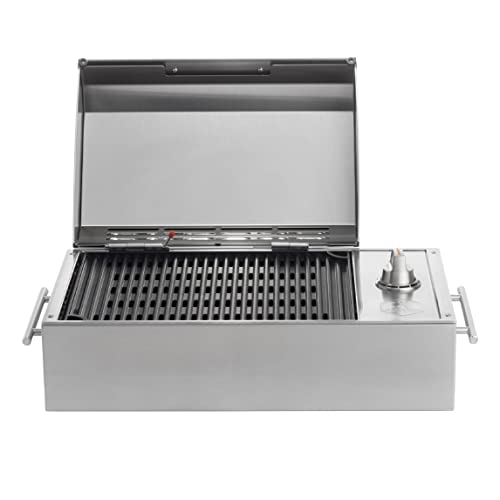
Kenyon City Grill Portable Stainless Steel Electric Grill
Why we picked it: a grill you can actually carry to the campsite, the tailgate or the cabin without borrowing a truck. Stainless, no propane tank to wrestle, and hot enough to cook for four guys rather than reheat for one.
 August's Pick LiberNovo Maxis Electric Big and Tall Ergonomic Office Chair, Graphite 52cm $1,393.00
  July's Pick Powerful Propane Torch Gun, Adjustable Flame Thrower Gun, Kitchen Torch with Detachable Design, Flamethrower Blow Torch for BBQ, Searing Steak, Welding, Camping Charcoal Lighter(Tank Not Included) $42.99
  June's Pick OYASUMI Funny BBQ Man Hot Dog Holders, 4 PCS Reusable Stainless Steel Sausage Stands, Portable Hot Dog Roasters, Barbecue Grill Accessories for Camping & Party Gifts $7.98
 Promoted by FlowAds

- Broad force majeure clauses that don't include pandemics or local government shutdowns
- Non-refundable deposits that apply even if the venue cancels for its own reasons
- Vague "restoration" requirements that charge for professional cleaning regardless of the space's condition
Cancellations and Force Majeure in a Post-2020 World
The force majeure section is the most debated part of modern rental agreements. Simply stating "acts of God" is no longer sufficient to protect your deposit. You need language that covers government-mandated capacity limits or transit strikes that might prevent your guests from reaching the venue.
Most venues will offer a sliding scale for cancellations, where the amount you owe increases as the event date approaches. Make sure a "mitigation of damages" clause is included, which requires the venue to make a good-faith effort to re-book the space if you cancel. If they successfully rent the room to someone else for your date, they should be required to refund a portion of your cancellation fee.
Do the Walkthrough With the Contract in Hand
The final step in avoiding contract pitfalls happens before you ever pick up a pen. A physical walkthrough with the contract in hand lets you verify that amenities like Wi-Fi that doesn't require hotspot protection, HVAC, and loading docks actually exist and function. Take photos of any pre-existing damage to walls or flooring so you aren't billed for them later.
Check the power, test the lights, and remember that documented proof prevents a costly dispute. If the venue manager makes a verbal promise about a discount or an early load-in time, get it added as a written addendum to the main document. In the eyes of a DC court, if it isn't in the written contract, it doesn't exist.