
Travel helps with male self-improvement because it breaks the routines that keep a man stuck: away from the commute, the couch and the usual phone habits, it gets easier to see your own patterns and start a new one. The trick is to treat a trip, whether it's a solo week in Rome or a long weekend with the guys, as the starting line for habits you bring home instead of a break from them.
Sunday night often brings a plan to start lifting, finish the book on the nightstand and stay off the phone after 10 p.m., and by Wednesday the old routine is back in charge. A stack of the best motivational books for men can supply the ideas, but lasting change comes from small adjustments to your surroundings and daily routine, repeated until they stick.
Psychologist Wendy Wood, whose habit research is collected in her book Good Habits, Bad Habits, has found that a large share of daily behavior runs on cues from your surroundings: the same chair, the same commute, the same phone on the same nightstand. A trip removes those cues for a while. Bas Verplanken, a psychologist at the University of Bath, calls this the habit discontinuity hypothesis. When context changes, as it does with a move or a new job, old habits lose some of their grip and people become more open to new ones. A week abroad creates a smaller, temporary version of that same opening.
A new city, a new schedule and no familiar chair or commute open that window, whether it's a week in Rome with a sketchbook started on a terrace above the Roman Forum or a stretch of the Camino de Santiago. Our piece on what traveling alone teaches you about control covers the mental side of being on your own. Turning that opening into habits that last after the bags are unpacked takes the six steps that follow.

A Pride of America Cruise Will Change Your View of Hawaii
Pride of America Hawaii cruise review, the only US flagged, large cruise ship to sail in Hawaii.

Guy's Trip on MSC World America: European Luxury Meets Caribbean Adventure
Men who appreciate a perfect balance of adrenaline-pumping activities, premium dining experiences, and sophisticated nightlife options will find MSC World America to be the ultimate floating playground for their next guy's getaway.

Highlights Of Sri Lanka - 4 Days
A 4 day highlights tour of Sri Lanka covering ancient kingdoms, Minneriya elephants and tea plucking, ideal for short visits.

Book your next cruise with Heather at Flow Voyages
Flow Voyages is a travel advisor specializing in cruises and resorts.
Promoted by FlowAds

Track Your Habits For A Few Days So You Know Which One To Change First
Self-awareness starts with watching your own habits for a few days before you try to change any of them. Most weeks run on autopilot, reacting to email, stress and fatigue without noticing why you respond the way you do. For three to five days, keep a short note on your phone or in a pocket notebook:
- Notice when you reach for your phone to avoid a hard task.
- Note the time of day your focus starts to drop.
- Write down what usually happens right before a distraction.
- Record one repeated pattern each day.
Being away helps here. The parts of your home routine you miss while you're away, and the ones you don't miss at all, are strong clues about what to keep and what to drop. Once you can see where your time and energy drain away, the first thing to change is usually easy to pick.
Build Discipline With Small Daily Promises You Keep When Motivation Runs Out
Discipline grows from small promises you keep to yourself, which is why waiting to feel inspired rarely works for long. A 6 a.m. run on a sunny morning is easy; the same run in the rain is where discipline shows up. A few examples of small, low-stakes commitments:
Man Gear Pick of the Month
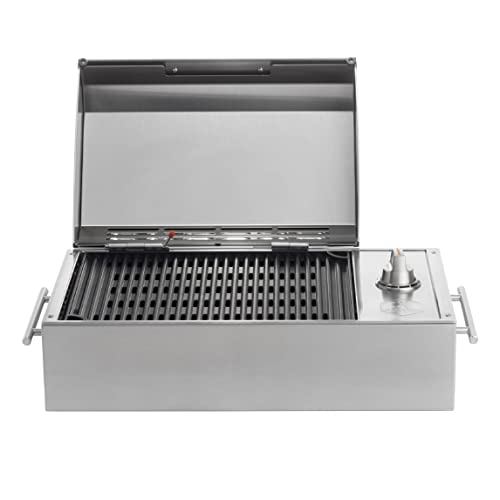
Kenyon City Grill Portable Stainless Steel Electric Grill
Why we picked it: a grill you can actually carry to the campsite, the tailgate or the cabin without borrowing a truck. Stainless, no propane tank to wrestle, and hot enough to cook for four guys rather than reheat for one.
 August's Pick LiberNovo Maxis Electric Big and Tall Ergonomic Office Chair, Graphite 52cm $1,393.00
 July's Pick Powerful Propane Torch Gun, Adjustable Flame Thrower Gun, Kitchen Torch with Detachable Design, Flamethrower Blow Torch for BBQ, Searing Steak, Welding, Camping Charcoal Lighter(Tank Not Included) $42.99
 June's Pick OYASUMI Funny BBQ Man Hot Dog Holders, 4 PCS Reusable Stainless Steel Sausage Stands, Portable Hot Dog Roasters, Barbecue Grill Accessories for Camping & Party Gifts $7.98
Promoted by FlowAds

- Make the bed as soon as you get up, or tie it to something you already do, like starting the coffee.
- Clear your desk before you close the laptop for the night.
- Finish the hardest item on your task list first.
- Work in 25-minute sessions with a 5-minute break, which is the Pomodoro method.
Once one routine feels automatic, the next one is easier to add. A trip is a good place to test this, since a hotel room or rental has no old routine competing with the new one: setting out tomorrow's clothes or getting the morning walk in before the group wakes up takes no willpower when nothing else is scheduled.
Self-Sabotage Is Usually Avoidance, So Naming The Discomfort Gets Big Projects Moving
Brianna Wiest examines this pattern in The Mountain Is You, pointing out that self-sabotage often works as a defense mechanism that keeps you inside your comfort zone. Putting off a big project or dodging an uncomfortable conversation at work can be a way to avoid possible failure or awkwardness.
The next time you catch yourself stalling on something important, pause and ask what discomfort you're trying to avoid. Long flights and train rides are good for this kind of thinking, since there is no inbox to hide in and a few hours to sit with the question.
Frameworks like this are useful lenses for reflection, but behavior patterns depend heavily on personal background and mental health. If a pattern is tied to anxiety, depression or something heavier, a licensed therapist is the better resource.
Guard Your Focus From Phone Notifications So Hard Tasks Get Done In Less Time
Your attention is limited, and modern life is set up to fragment it all day long. If your phone sits next to the keyboard with notifications buzzing, your brain rarely gets the chance to settle into deep work.
Set limits with your devices. Put the phone in another room when you need to concentrate, turn off non-essential notifications, and give yourself set windows where you're fully present, whether that's writing a report or sitting down to dinner.
A week abroad with notifications switched off, keeping the phone for maps and messages only, is an easy way to test how many of those notifications you need. Leave them off on the flight home and see which ones you turn back on.
Commutes, Layovers And Dinner Prep Leave Enough Time To Learn Something New Each Day
A free two-hour block to sit down with a heavy book rarely shows up for men balancing work with married life or dad life. Learning fits into the gaps already built into your day instead.
The morning commute, the 15 minutes while dinner cooks, a long layover or a train ride between cities all work well for listening to nonfiction summaries for new business ideas through an app or website, or for picking up tips from a good podcast. In about 15 minutes you can:
- Cover the main ideas from one nonfiction book.
- Hear the author's key argument on a problem you're working through.
- Decide whether the full book deserves your time.
Fix Sleep, Strength And Protein First Because Every Other Habit Runs On Them
Staying focused, patient or consistent gets much harder when you're running on poor sleep and low energy. Before chasing another productivity system, work on the basics that support both your body and your brain.
Dr. Stacy Sims, an exercise physiologist and nutrition scientist, makes the case that muscle health is one of the strongest investments you can make for long-term health. Her guidance pairs regular resistance training with adequate protein and quality sleep, and she has discussed creatine as a supplement that supports muscle and recovery.
You don't need a bodybuilder's program to see a difference. Start with the fundamentals:
- Aim for seven to nine hours of sleep most nights, the range the National Sleep Foundation recommends for adults.
- Do resistance training at least two days a week, the minimum in the federal Physical Activity Guidelines for adults.
- Spread protein across the day instead of saving it all for dinner.
- Talk with your doctor before adding creatine monohydrate.
Travel is where these basics slip first. Long days on foot are part of most city trips, but holding on to sleep and protein through jet lag, late dinners and a hotel gym with three sets of dumbbells takes some planning. A set of resistance bands weighs almost nothing and fits in a carry-on.
Pick One Habit On Your Next Trip And Protect It During The First Week Home
The return home is where a new habit is most likely to fade, because the old cues are waiting at the front door. Choose one habit, whether it's the phone-free work block, the morning resistance session or 15 minutes of reading a day, and start it while you're away.
Before you unpack, write the habit and its time slot on a sticky note and put it where you'll see it the first morning home. Schedule it for the same time of day it happened on the trip, and attach it to something already in your home routine, like the drive to work or the walk to the mailbox. If you haven't taken that first trip yet, our list of things to do for the first time on a solo guys trip is a good place to plan one.
Bring the sketchbook from Rome, or whatever you started on the trip, home and leave it open on the kitchen table, where you'll see it before you see your phone.