I spent a few years in Wilmington, North Carolina while I was in school, and on that stretch of coast a hurricane is something you prepare for months ahead of the forecast. Then I moved to California, where the threat was earthquakes and the warning time was zero. Now we are in the Great Lakes, where tornadoes and Midwest winter storms sit between those two extremes: enough notice to act, never enough to start from nothing.
What does not change with the map is the response: make a plan, and educate yourself before you need either. Seth Weller is the Lead Preparedness Expert at 4Patriots and the man who runs 4Patriots University, the company's free online class program. We sat down with Seth to talk about the 48 hours before landfall, the mistake he sees every season, and what to do once the power is out.
4Patriots University is free, runs live over Zoom, and carries no sales pitch. Classes cover Preparedness 101, long-term food storage, water solutions, EMPs, and solar generator use and maintenance, and there is an open networking session every Monday at 6pm CT. Schedule and registration are at 4Patriots University. The food kits, water filtration and solar generators Seth names in this interview are sold separately at 4Patriots.
Hurricanes get the coverage, but for most of the country the outage that arrives comes with fall and winter weather. There is always someone at work who spent a February outage running a laptop off a car charger. These five are worth doing before the first hard freeze.
- Clear the gutters and downspouts before the first freeze - ice dams form when meltwater backs up behind a clog, and the damage lands on your ceiling rather than your roof.
- Find the main water shutoff and label it now - a burst supply line in a hard freeze does more damage in ten minutes than the storm does all night.
- Cut back the limbs over your roof and your service drop - wet snow and ice bring down branches that summer wind never moved.
- Test the carbon monoxide alarms before the furnace goes on - CPSC puts 56 percent of consumer-product CO deaths in the four cold months from November through February, and every improvised backup heat source raises the odds.
- Charge the power station and run the refrigerator off it for an hour - if it has sat in the garage since spring, you have no idea what it still holds.
Seth Weller has spent more than 25 years consulting on emergency readiness, and at 4Patriots he leads a team of preparedness consultants along with the company's free education arm. Half of his business is the part that does not ship in a box: the planning, the household logistics, and the conversations most families never get around to having.
That job lands on one person in a marriage, and it tends to stay on the someday list for years. All of which makes him a useful counterweight to the gear conversation I had with 4Patriots CEO Allen Baler, who walked me through where a regular guy starts with food, water, and backup power.

Guys Night Out Ideas: 35 Fun Activities and Things to Do With The Boys
when planning a guys night out it is essential to focus on planning a night a as unique as the men invited

Explore America's Great Inland Sea On Great Lakes Cruises
There's more to cruising than the west coast cruises we love so much.

Sri Lanka private tour package 9 night 10 Day with driver+vehicle+accommodations
This is a 10 day Sri Lanka classic tour where the guests will be going to the must see sights in Sri Lanka during their visit. This tour covers a lot of cities and areas and Sri Lanka and I am certain the guests will enjoy it as well.

Beaches Turks & Caicos
Beaches Turks and Caicos is an all-inclusive family friendly resort in the Caribbean, with unlimited food and drinks, a water park, and a location on Grace Bay Beach.
Promoted by FlowAds

The First 48 Hours: Power And Water Before The Grocery Store
Let's start with the moment a storm shows up on the forecast. Say you have 48 hours before landfall and you have never prepped for a hurricane before. Walk me through the first things you tell someone to do.
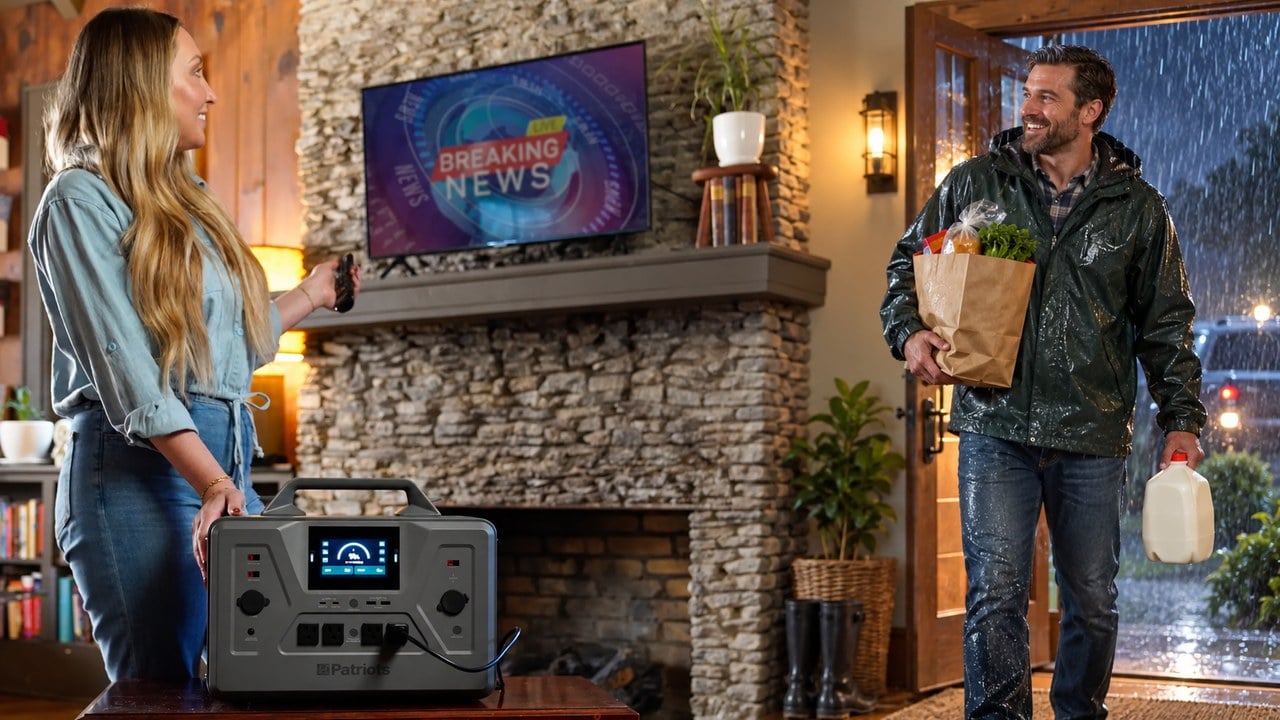
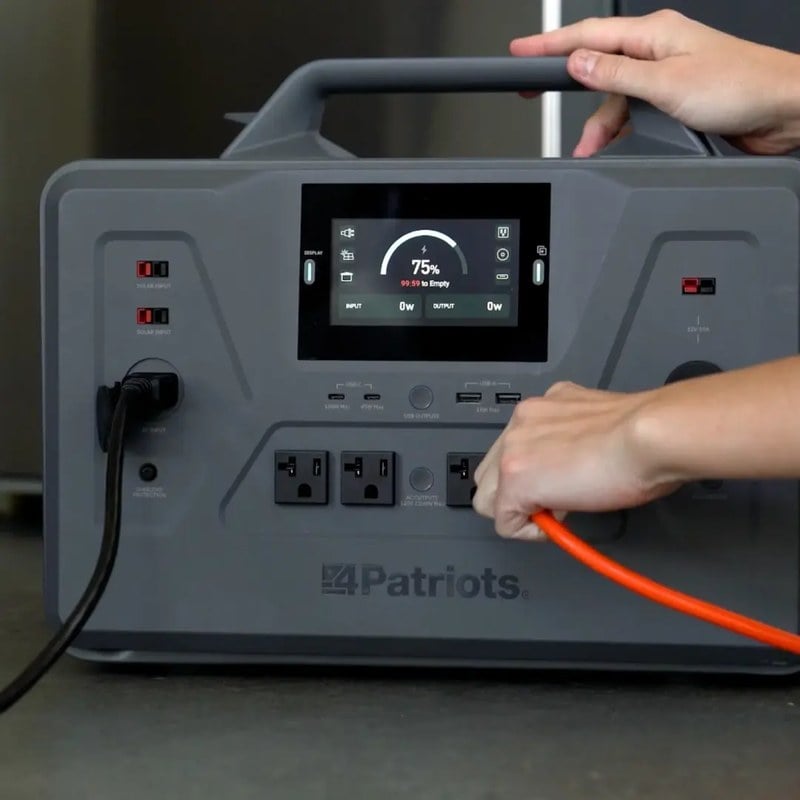
When a storm hits the 48-hour forecast mark, you've entered the National Weather Service's Hurricane Watch window. The worst thing you can do is join the panicked masses at the grocery store; instead, you need to immediately secure your power. Traditional gas generators are responsible for hundreds of tragic carbon monoxide deaths each year, often because people run them too close to their homes. Skip the combustible fuel entirely and invest in a high-capacity solar generator like the Patriot Power Generator 2200X. It utilizes ultra-safe lithium-iron-phosphate battery chemistry, meaning it is whisper-quiet and completely fume-free. You can safely set it up right inside your living room to power your refrigerator and communication devices without putting your family at risk.
Second, bypass the chaotic rush for plastic water bottles. You already have water in your pipes and bathtubs, you just need a reliable way to ensure it remains safe to drink when municipal treatment plants inevitably fail or issue boil-water advisories. I recommend deploying a gravity-fed filtration system like the Ultimate Water Filtration System. It's a sleek, stainless-steel unit that requires no electricity or plumbing. You simply pour water in the top, and the Nanomesh filter will provide you with clear, clean and safe water. It looks fantastic on the counter and guarantees your family has a decentralized, safe hydration utility.
Man Gear Pick of the Month
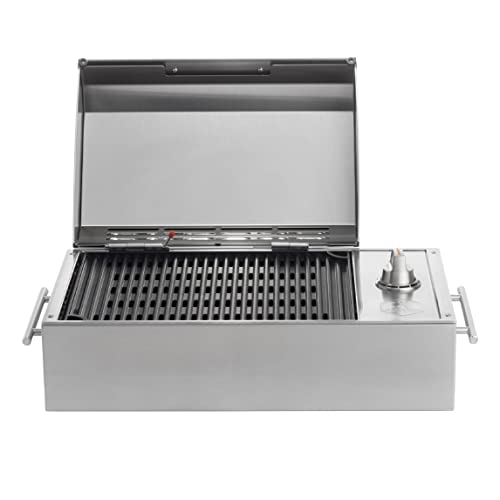
Kenyon City Grill Portable Stainless Steel Electric Grill
Why we picked it: a grill you can actually carry to the campsite, the tailgate or the cabin without borrowing a truck. Stainless, no propane tank to wrestle, and hot enough to cook for four guys rather than reheat for one.
 August's Pick LiberNovo Maxis Electric Big and Tall Ergonomic Office Chair, Graphite 52cm $1,393.00
  July's Pick Powerful Propane Torch Gun, Adjustable Flame Thrower Gun, Kitchen Torch with Detachable Design, Flamethrower Blow Torch for BBQ, Searing Steak, Welding, Camping Charcoal Lighter(Tank Not Included) $42.99
  June's Pick OYASUMI Funny BBQ Man Hot Dog Holders, 4 PCS Reusable Stainless Steel Sausage Stands, Portable Hot Dog Roasters, Barbecue Grill Accessories for Camping & Party Gifts $7.98
 Promoted by FlowAds

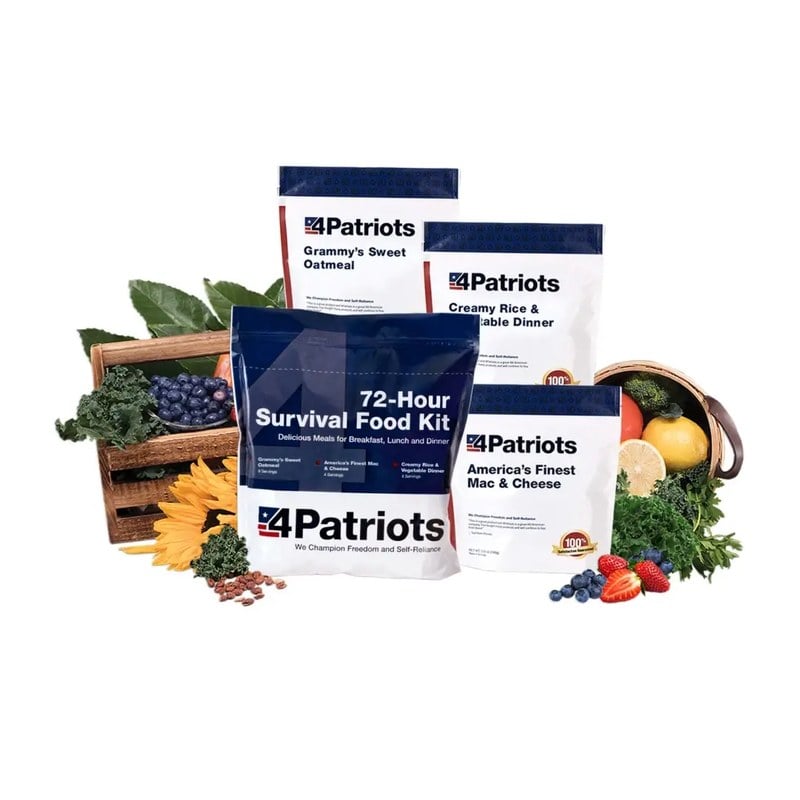
Finally, secure your property and stage your 72-hour emergency food kits, but remember that true preparedness is about mindset and planning. If you want to get up to speed quickly without the typical doomsday fear-mongering, I invite you to join us at 4Patriots University. We run free online classes focused on practical resilience, teaching you how to establish standard operating procedures for your home and how to manage the psychological stress of an emergency. It's an incredible community of like-minded guys taking control of their family's safety. Get your power sorted, get your water filtered, and get educated - that is how you win the 48-hour window.
[Editor's note: CPSC attributes an average of about 100 deaths a year to carbon monoxide from portable generators specifically. The 400-plus figure often quoted covers accidental CO poisoning from all sources, including furnaces, cars and grills. The agency's guidance is the same either way: never run a generator indoors or in a garage, keep it at least 20 feet from the house, and point the exhaust away from doors, windows and vents.]
What 4Patriots University Teaches And Who It Is For
You just invited people to join you at 4Patriots University. So tell me what it is: what does it cover, who is it built for, and what does someone walk away knowing after going through it?
4Patriots University is a completely free, community-driven educational platform hosted via online training modules and Zoom classes. We intentionally leave out the aggressive sales pitches and the typical doomsday fear-mongering that you often see in the preparedness space. Instead, it functions much more like a mastermind group for like-minded people to trade practical, real-world strategies.
It is built specifically for the modern, proactive person who views emergency preparedness as a natural extension of responsible fatherhood and household management. Because of that practical focus, it is absolutely perfect for complete beginners who need to get up to speed quickly, while still offering immense value to seasoned people looking to optimize their family's disaster readiness.
When you go through the University, you walk away with a deep understanding of the human and operational elements of an emergency. We teach you how to establish Standard Operating Procedures (SOPs) for off-grid living, like managing alternative cooking methods and running simulated "off-grid weekends" to test your backup power plans. You'll learn crucial group dynamics - such as assigning specific Areas of Responsibility (AOR) to family members rather than relying on a single "leader" - and how to create a "Decompression Space" to manage your family's psychological stress. Our number one rule is "Don't lie to yourself". Ultimately, you walk away with the knowledge to craft a solid, step-by-step written plan so you don't miscalculate your needs and know exactly how to keep your family comfortable when the unexpected happens.
Almost Nobody Starts Until The Storm Is On The Radar
What is the single most common mistake you see people make when they are getting ready for a hurricane, the one that keeps showing up no matter how many times it gets talked about?
The absolute most common mistake I see, and it is the very first thing on my list of preparedness errors, is simply not getting started until the storm is already on the radar because the whole process feels too overwhelming. People look at emergency preparedness like a giant elephant in the room; because they don't know where to begin, they just put it off.
When that 48-hour clock starts ticking, that procrastination inevitably leads to another massive error: not having a written plan. During an emergency window, stress levels spike, and it becomes incredibly easy to make mistakes or severely miscalculate how much food, water, and power you actually need to sustain your family. If you try to keep your strategy entirely in your head, you will likely end up panic-buying the wrong things at the grocery store.
The fix is simple: you have to eat the elephant one bite at a time. Start making small preparations long before hurricane season, solve one problem at a time, and write your step-by-step plan down so you have a physical checklist to keep you centered and moving in the right direction when the pressure is on.
Boil Water Advisories And The Critical Food & Water Reserves Most Of Us Underestimate
Once the storm passes and the power is out, what matters most in those first few days, and what do most people get wrong about that phase?
Once the storm passes and the grid goes down, your immediate priorities are establishing safe backup power and securing clean hydration. Municipal water treatment plants frequently fail or get overwhelmed by floodwaters during a hurricane, leading to prolonged boil-water advisories. That is exactly when your gravity-fed water filtration systems and high-capacity solar generators go from being cool gear to absolute necessities.
As for what most people get wrong during this phase, there are a few massive mistakes. First, from a safety standpoint, people drag out old combustible gas generators and run them too close to the house or inside an open garage. Because they are trying to keep their fridge running, they accidentally expose their families to carbon monoxide poisoning, which is a tragic and entirely preventable secondary disaster.
Second, from a planning standpoint, people drastically miscalculate how much they actually need to sustain their family. A single case of water might seem like plenty beforehand, but it vanishes incredibly fast when the taps run dry. We always teach the mentality of, "One is none, two is one, three is best," meaning you will almost always need more reserves than you initially think you will.
Finally, guys often get the mindset wrong. They assume an emergency is going to look like a life or death wilderness survival movie. In reality, a post-storm blackout is just about hunkering down and maintaining normalcy. If you have your backup power, water filtration, and emergency food dialed in, you and your family will be completely comfortable while the unprepared are absolutely miserable.
Smart Men Plan Before The Disaster Warning Scrolls Across The Screen
Seth teaches this for a living. I picked it up by living in three places, each with a different threat. The timing was the constant: the decisions that matter get made before there is a forecast to react to.
So keep the power station charged rather than stored. The 2200X manual asks you to cycle the battery at least once every six months, draining it to zero on an appliance before charging it back to full. Put it on the calendar. Write the plan down too, and make sure everyone in the house knows it. Under stress people forget obvious things.
The same box that goes in a truck for a fishing weekend on the Great Lakes with the guys is the one that keeps the fridge cold when a line comes down two streets over. I am not preparing for the apocalypse. I want my family comfortable for the 24 to 48 hours it takes for services to come back.

Promoted by FlowAds
