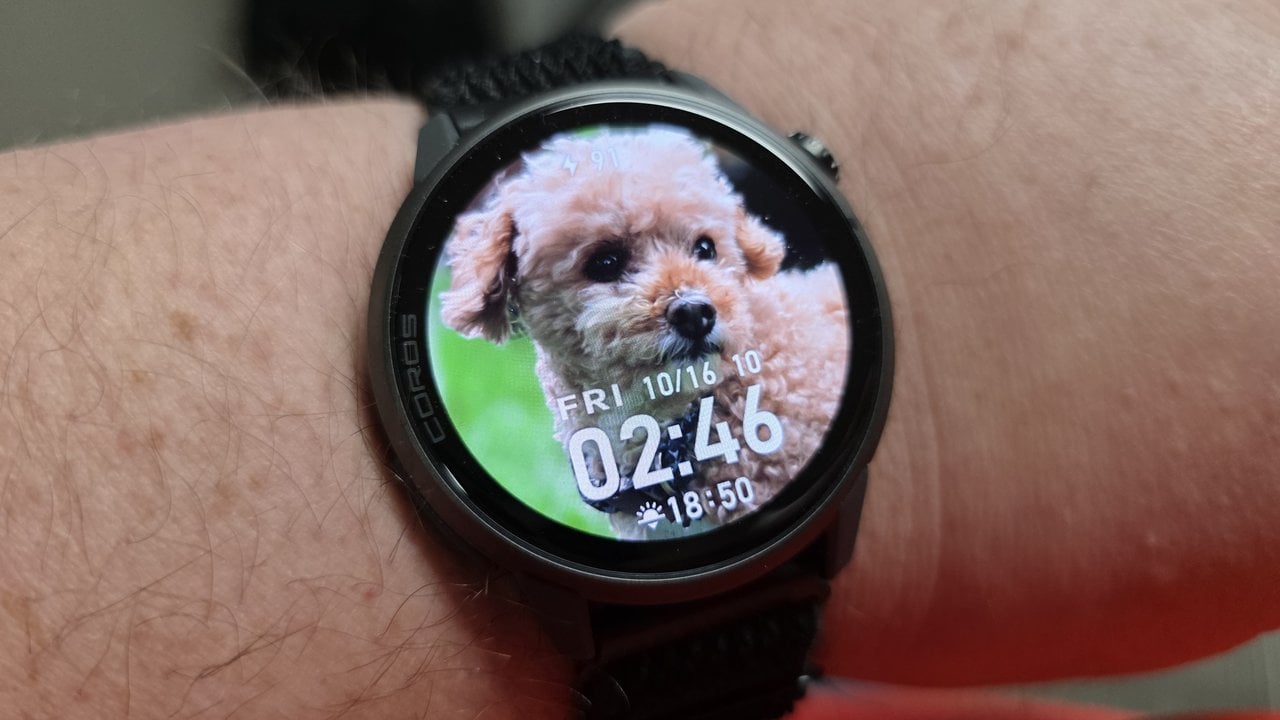
The COROS Pace 4 Pro is a $449 GPS sport watch that takes everything I liked about the $249 Pace 4 and adds a bigger, brighter 1.47-inch AMOLED screen, a titanium bezel and sapphire glass. After a month wearing this awesome watch on my wrist, I can confidently say that it's better than the Pace 4 in every way ... with one trade-off I didn't see coming: the larger case clunks into walls and corners more often. For me, that's acceptable but the Pace 4 still remains a fantastic option and now folks that want "bigger and better" can be happy too!
The COROS Pace 4 Pro is available directly from COROS at an MSRP of $449 in black or white, and you can also buy it on Amazon.com. COROS doesn't include a USB-C cable in the box, so plan on using one you already own. A few settings and habits decide how the Pace 4 Pro fits your day, and they're easier to sort out early than to discover later. It's hard to review a watch that does everything better than one you already love. It doesn't have the thrill of a brand new product to explore for the first time, but I can solidly say that I love this watch. It has also made my inner geek's urge to buy an Android-powered smartwatch or an Apple Watch that much harder to justify. Before this review, I'd been wearing the COROS Pace 4 for several months. My only real complaint was that the screen wasn't as bright or detailed as others I'd seen. That was a deliberate choice by COROS, which wanted to hit a price point, a battery life and a size that made the Pace 4 one of the best watches out there for its target market of fitness and sports. For me, bigger fingers and a habit of using the watch as a photo frame on my wrist made that sacrifice harder to accept. If I spent my weekends running, hiking or kayaking, I might feel differently. Promoted by FlowAds The Pro's display is a 1.47-inch AMOLED panel at 466 x 466 pixels, up from 1.2 inches on the Pace 4, and COROS rates it at up to 3,500 nits of brightness. The display is fantastic. The dog photo on my watch face looks like a photograph instead of a thumbnail, and the extra size is exactly what my bigger fingers wanted. Outside reviewers land in the same place. The 5K Runner called the screen "the reason to buy this watch over the older Pace 4." The panel also adjusts its refresh rate between 60Hz and 1Hz and dims to 2 nits in the middle of the night. I went deeper on how AMOLED and MIP screens trade detail for battery in our GPS watch display guide. The Pro feels more premium than the Pace 4 the moment you pick it up. The bezel is titanium, the glass is sapphire, and the fit and feel of the chassis is a clear step up from the lighter watch. After a month of daily wear, there isn't a scratch on it. The only wear is some normal sweat and skin rubbing on the bottom around the sensor window. COROS ships the Pro with a black nylon band. I have a very large wrist and prefer a stretchy band, so that's what you see in my photos. Replacement bands are easy to find in whatever style you prefer. Ironically, this bigger watch also hits things more often than the Pace 4 did. The Pro measures 47.6mm across and 11.8mm thick and weighs 43 grams on the nylon band, compared with 32 grams for the Pace 4. I'm a relatively new watch wearer outside of "fashion" occasions, so hearing it clunk against a wall as I squeezed around a corner surprised me. It was a reminder that bigger isn't always better, depending on what you're doing. The good news is that the watch is resilient and shrugs those bumps off. That may bother some folks more than others, though, and that's why I brought it up here since banging a $500 watch on stuff is a bit unnerving the first few times till you realize that it can take a beating. Other reviewers noticed the same thing. Believe in the Run lists the extra weight over the Pace 4 as a con, and The Runtesters notes it isn't as small as the Pace 4. If you want the slimmest watch for a smaller wrist or race day, those extra 11 grams and the wider case are what separate the two. This ultimately gives folks a great pair of options depending on what's most important to them and their needs. The battery life is still amazing. COROS rates the Pro at 21 days of daily use and 60 hours of GPS tracking, up from 41 GPS hours on the Pace 4. Real-world testing comes in lower but still strong. The Runtesters got just over a week with the always-on display while running every day, and Believe in the Run logged around 40 GPS hours and roughly two weeks per charge during marathon training. For a long weekend with the guys, you can leave the charger at home. The Pro adds a speaker and microphone. I've used both, and they're fine but unremarkable. Being able to press a button to get the weather instead of scrolling for it is interesting, though I won't use it often as I prefer to use Google services instead and my phone is almost always with me. Voice notes you record on the watch get transcribed in the COROS app which is handy for flagging a spot on a trail. The "hands-free calls" line on the spec sheet caught my attention, but in practice it's limited to starting and ending calls from your wrist. You still talk through your phone, not the watch. You also won't find tap-to-pay, an app store or streaming music, only MP3s and audiobooks you load yourself. That's fine for what it is: a fitness and everyday watch with built-in features that are easy to reach. The Pro carries 32GB of storage for offline maps with street and trail names, contour lines, and turn-by-turn directions, plus room for music and audiobooks. The Pace 4 picked up offline maps in a later firmware update, but it has only 4GB to store them. If you want a whole region loaded before a hiking weekend with the guys in Michigan's Upper Peninsula, the extra space matters. The maps won't recalculate a new route on the watch if you wander off course, so plan routes in the app before you go. The dual-frequency GPS held up in outside testing. Some other reviewers found it in line with top rivals on a twisting half marathon and The 5K Runner relays independent tests rating it among the best they've seen. On the health side, you get overnight HRV, sleep tracking, SpO2, a daily stress score and an ECG-based Wellness Check. I'm not a hardcore fitness guy so I wasn't able to verify these things directly but for my use with monitoring vitals, sleep patterns, and stress levels while working in the yard - this watch did a great job and telling me when I might need to take a rest for a moment. For me, the Pro is worth the extra $200, because the screen is the part of a watch I look at all day. If you'd rather have the lightest watch on your wrist for race day, the Pace 4 is still excellent and costs a lot less. Before you order, decide on color and band. The Pro comes in black or white, and the Amazon listing linked here is the white version with a silicone band, so pick the combination you want up front if you'd rather not swap later. For current pricing and availability, check Amazon.com.
The Pace 4's Screen Was My Only Complaint, That's Been Fixed Now


A 1.47-Inch AMOLED Screen Shows Photos In Real Detail With Plenty Of Brightness
Titanium And Sapphire Kept It Scratch-Free Through A Month Of Daily Wear
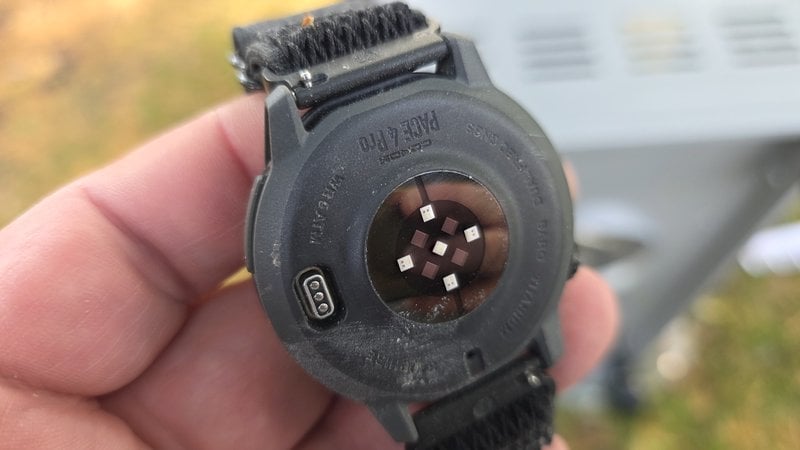
Bigger Isn't Always Better: The Pro Bumps Into Walls And Corners More Than The Pace 4 Did
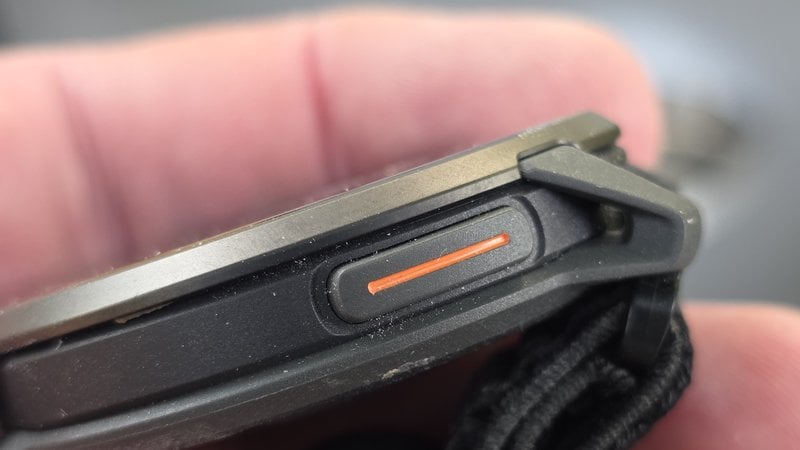
Battery Life Still Runs Weeks Between Charges Despite The Bigger Screen
The Speaker And Mic Are Fine, But Calls Still Go Through Your Phone
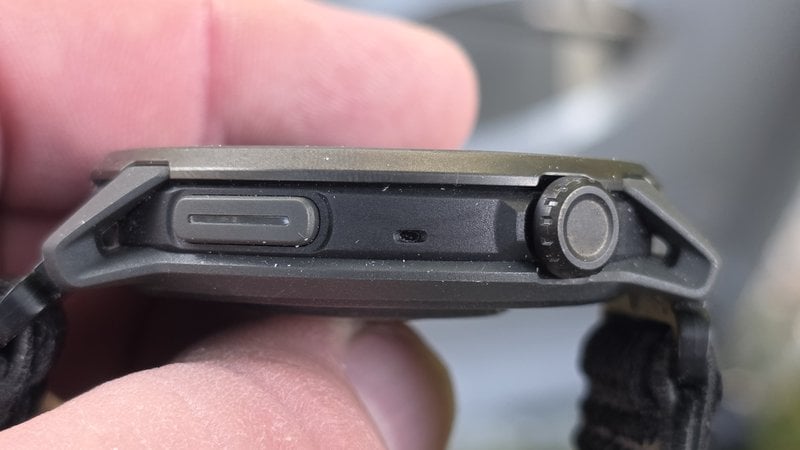
Offline Maps, Health Tracking And GPS All Hold Up On Weekend Trips
Who Should Pay $449 For The Pace 4 Pro Over The $249 Pace 4