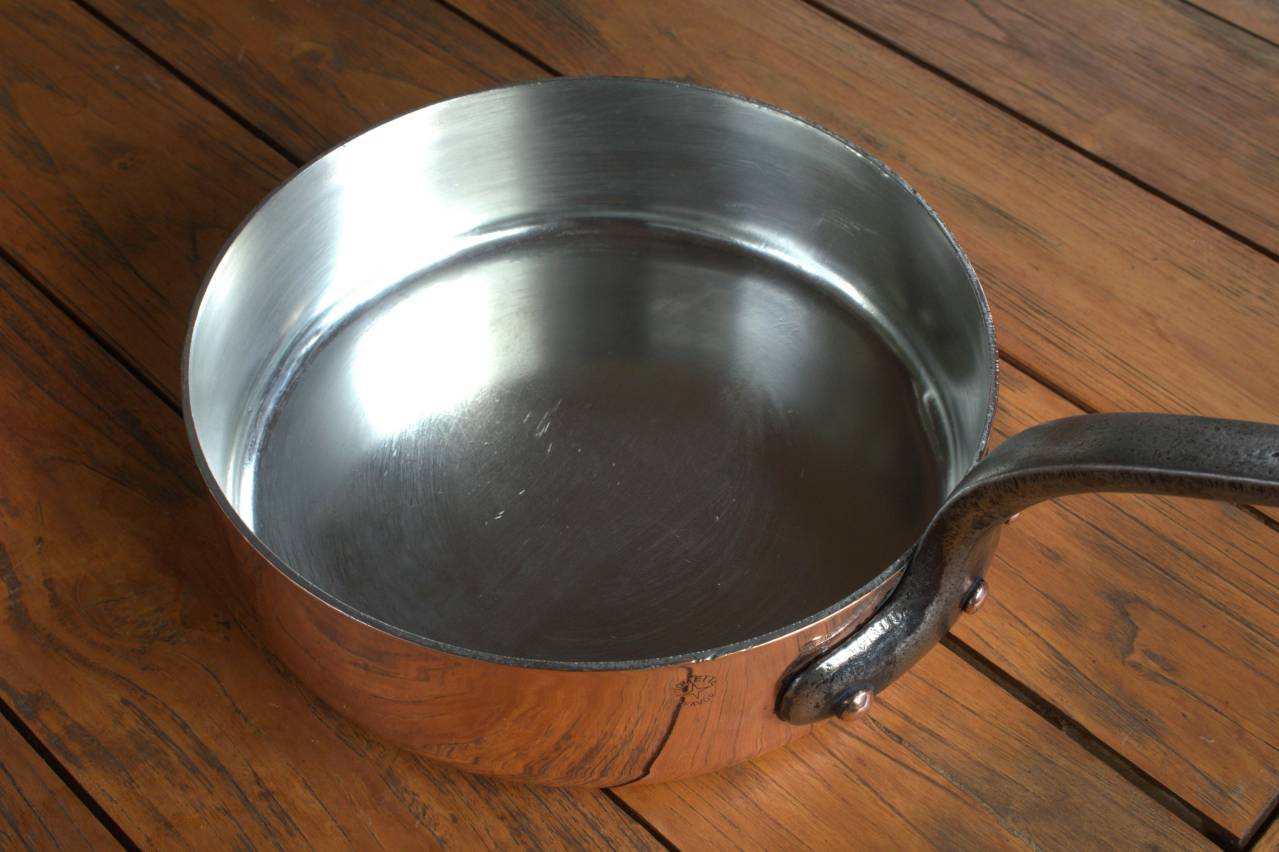
When you look at virtually every commercial kitchen, real chefs cook on stainless steel - and there's solid science behind that choice. After years of destroying expensive nonstick pans despite careful handling, I finally understood that the problem wasn't the pan. It was that nobody had explained how stainless actually works.
What Do You Call Your "Guys Trips"?
If you've been told stainless steel is hard to cook with, requires too much oil, and sticks constantly - you've been told half the story. Once you understand the science, stainless becomes the most forgiving, durable, and practical pan in your kitchen.
- Stainless steel pans don't require special utensils, babying in the dishwasher, or careful storage - they take real-world use and keep going
- The "stainless sticks" reputation comes from one mistake: adding food before the pan is properly preheated - fix that and the problem disappears
- Nonstick coatings - from Teflon to ceramic - degrade with every use; a quality stainless pan can outlast 10 or more nonstick replacements at the same price point
- Stainless builds fond (the browned bits stuck to the pan after searing) that nonstick destroys - that fond is flavor, and deglazing it is one of the easiest ways to make a pan sauce
- For high-heat cooking like searing steaks and browning chicken thighs, nonstick isn't even an option - stainless is where the real cooking happens
Without a doubt, nonstick is something every cook reaches for first. It's easy, low-maintenance, and forgiving when you're tired and cooking on autopilot. Over the years I've run through pans with Teflon, ceramic, and a few that claimed to be professional-grade. Then I destroyed one I'd been treating meticulously - no metal utensils, hand-washed every time - and it turned out pork chop bones were enough to do it in.
That's when I stopped chasing nonstick coatings and started paying attention to what commercial kitchens have known for decades. I still keep a Circulon ScratchDefense 12-inch pan in the rotation for eggs and delicate fish - it's bulletproof for a nonstick, tougher than anything else I've used in that category. But for everyday cooking, high-heat work, and anything that needs to go from stovetop to oven, stainless wins on every practical measure.

Made In 12-Inch Stainless Steel Frying Pan, 5 Ply, Made in Italy
Promoted by FlowAds

The Science Behind Stainless Steel's Superior Performance
Understanding why stainless steel outperforms other cookware makes you better at actually using it. The material isn't magic - it's chemistry and physics working together in ways that directly affect what happens in your pan.
What Makes Stainless Steel Actually Stainless
Stainless steel gets its durability from a precise alloy - iron combined with at least 10.5% chromium by mass.
The chromium forms an ultrathin oxide layer on the surface that automatically repairs itself when scratched. That's why you can scour it, run it through the dishwasher, and store it without a pad between pans - and it still looks and performs the same. Quality cookware grades like 18/8 (18% chromium, 8% nickel) or 18/10 provide the best corrosion resistance for kitchen use. What that means practically: acidic foods like tomatoes, citrus, and wine won't react with the pan the way they can with cast iron or aluminum. I've deglazed stainless pans with everything and never had a metallic taste transfer to the food.
Why Heat Distribution Through Cladding Changes Everything
Pure stainless steel cookware conducts heat poorly - only 16 watts per meter-kelvin, compared to aluminum at 205. If you've cooked on cheap single-ply stainless and gotten hot spots that burned your food in patches while leaving the rest underdone, that's why.
The solution is cladding: sandwiching a highly conductive aluminum or copper core between stainless steel layers. Tri-ply and multi-clad construction eliminates those hot spots, which can run dozens of degrees hotter than the surrounding surface. The aluminum core distributes heat evenly while the stainless exterior handles the abuse. This is the difference between a $30 pan that frustrates you and a $120 pan that performs. Buy the clad construction - it's not optional if you want stainless to work the way it's supposed to.
The Physics Behind Why It Doesn't Warp
Stainless steel's internal structure gives it tensile strength comparable to structural steel, which is why it resists warping under thermal shock - the rapid temperature change that ruins most other pans. Aluminum dents when dropped. Cast iron is heavier and brittle under extreme thermal swings. Stainless moves from a cold refrigerator to a screaming-hot burner without losing its shape.
I've had stainless pans that have taken more abuse than I'd care to admit during steak nights with the guys - high heat, cold deglazes, tossed in the sink while still hot - and they're fine. That kind of cooking destroys nonstick coatings in a single session.
Why the Surface Outlasts Every Coating on the Market
The chromium oxide layer that protects stainless is not a coating applied on top - it's part of the metal itself. It doesn't chip, peel, or degrade with use, heat, or cleaning.
On the other hand, nonstick coatings, whether Teflon or ceramic, deteriorate with every cooking cycle. Put them in the dishwasher or hit them with metal utensils and you accelerate that degradation. After 2-5 years, most nonstick pans are compromised enough to replace. A quality stainless pan, maintained normally, lasts 25-30 years. That's not a marketing claim - it's what happens when the surface is the material rather than something applied over it.

Promoted by FlowAds

How to Actually Cook on Stainless Without Food Sticking
The reason stainless has a reputation for sticking isn't the pan - it's technique. Food sticks when protein hits cold metal and bonds with it before heat can create a proper sear. Once you understand the thermal principle, the fix is straightforward.
Temperature Control and the Leidenfrost Effect
The key to nonstick results on stainless is preheating correctly.
Heat the empty pan on medium to medium-high for 1-3 minutes until a drop of water skitters across the surface in a single bead rather than spreading and evaporating. That's the Leidenfrost effect - the pan is hot enough that a vapor layer forms between water and metal. The same principle applies to oil and food. Add your fat after the pan reaches temperature - it should shimmer immediately on contact. Then add your food. Proteins will initially stick to the pan surface, then release naturally once they've developed a proper sear, usually 3-4 minutes for most cuts. If you try to move food and it resists, it's not ready. Wait. The pan is doing its job.
For cooking oil, avocado oil is a strong choice for stainless because its smoke point is significantly higher than olive oil - you can push the heat without burning the fat before the food hits the pan. I've got a longer breakdown of why avocado oil works well for high-heat cooking if you want to go deeper on that. A few other technique notes that make a real difference:
- Don't overcrowd the pan - food releases moisture when crowded, which drops the pan temperature and causes steaming instead of searing
- Pull the pan off heat 30-60 seconds before target doneness; stainless retains heat and will continue cooking
- For cleanup, deglaze while the pan is still hot with water, wine, or stock - the fond releases cleanly and you've got the start of a pan sauce
Stainless Is a Kitchen Upgrade Worth Making Once
The argument for stainless comes down to this: you buy it once, learn the technique in a week, and you're done replacing cookware for life! This means you can invest in higher-quality stainless steel pans that last for decades instead of cheap non-stick pans that last less than a year.
When you're ready to commit, look for tri-ply or multi-clad construction, 18/8 or 18/10 grade steel, and an oven-safe rating of at least 500°F. All-Clad, Made In, and Tramontina's tri-ply line cover the range from full sets around $200 down to individual pieces under $50 - the construction spec is what matters, not the brand name on the side. Keep one quality nonstick in the rotation for eggs and delicate fish. Everything else - steaks, chicken, sauces, anything that needs real heat - stainless handles better, lasts longer, and doesn't require you to treat it like it's fragile. That's the whole case.