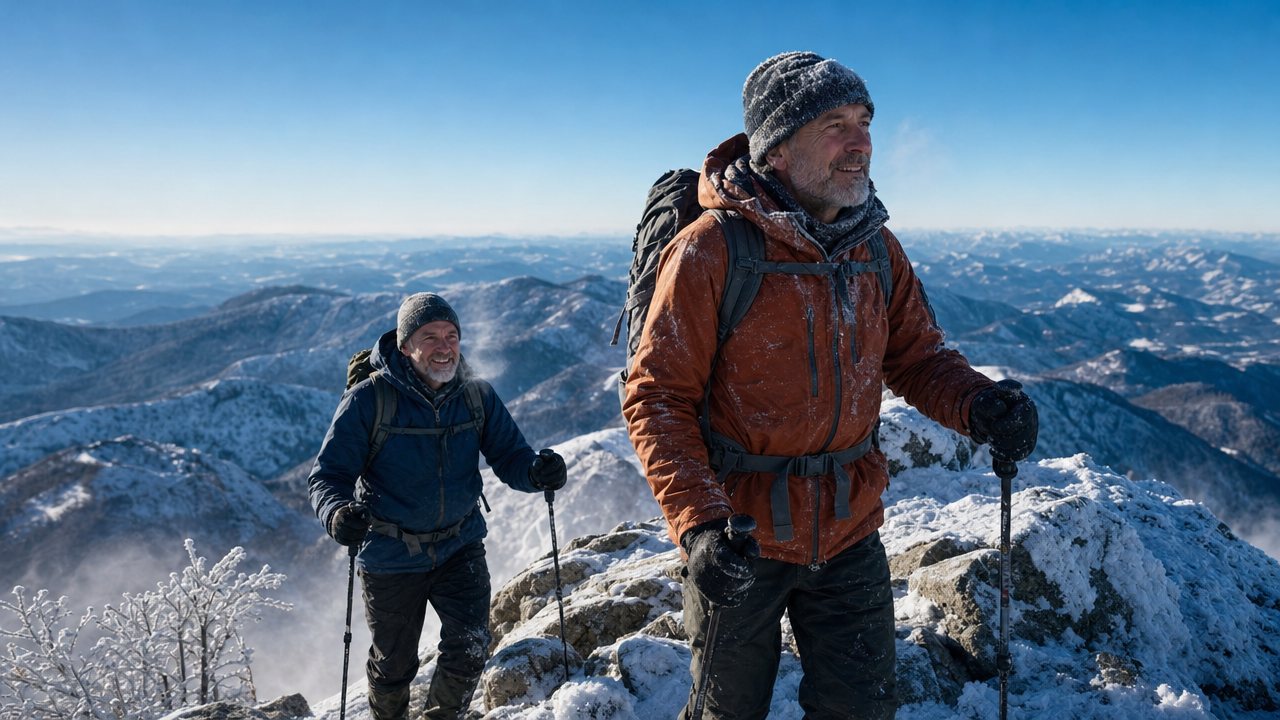
Men often overlook everyday health habits at home, but they're the first to go on a winter trip. A ski weekend in Colorado or a cold-weather hike in New Hampshire stacks dry air, altitude, long travel days, and heavy lodge meals, so water, real food, sleep, and a warm-up matter more on the mountain than they do in a normal week at the office.
Cold trouble rarely announces itself, and the guy it is happening to is often the last to notice. These are the warning signs the CDC lists, so watch your buddy and have him watch you. Most of what keeps a winter trip on track starts with digestion, because travel days scramble every meal. Fiber-rich food, steady water intake, fermented foods like yogurt or kefir, and, when appropriate, good probiotics for men can support a more comfortable gut and may help keep you regular when the schedule falls apart. The same habits apply to a January work conference in Denver or a holiday drive to see family. A gas-station breakfast, an airport lunch, and a burger at the lodge at 9 p.m. are a normal winter travel day, and they leave almost no room for vegetables or fiber. Last-minute meals become fast food because nobody planned anything else. Pack the food before hunger strikes. A bag of almonds, a few apples, jerky, and a block of cheese rides fine in a cold car. If the rental or condo has a fridge, the first grocery stop should cover eggs, fruit, and something green, so breakfast on the mountain is not a pastry from the lift line. Men's guide to Kuwait: Authentic Middle Eastern culture without Dubai crowds. Experience desert adventures, Islamic heritage, and Persian Gulf fishing. Perfect for professionals seeking genuine Gulf experiences. Experience authentic lobstering in Portland with real traps, conservation lessons, and hands-on immersion. Perfect cruise excursion combining Maine's lobster culture with premium Casco Bay scenery. A 12-day guided motorcycle tour through Northern Thailand's misty mountains and hill tribe villages, ideal for riders seeking adventure and comfort. A two-country tour through Vietnam and Cambodia, from Mai Chau and Ha Long Bay to Angkor's temples. Ideal for travelers seeking culture beyond the crowds. Promoted by FlowAds Cold weather blunts thirst. In a lab study, researchers at the University of New Hampshire found that cold exposure can reduce thirst sensation by up to 40 percent, even when the body needs water. Add dry mountain air and hard breathing on a climb, and dehydration builds on a winter hike while it feels like the last thing you need to worry about. Mild dehydration can bring on headaches, cravings, constipation, and a slower pace on the trail. Carry an insulated bottle so the water doesn't freeze, and drink on a schedule instead of waiting for thirst. Hot tea or broth counts, and it warms your hands. Dry air is rough on your mouth too. Oral health matters beyond fresh breath: gum disease is linked with inflammation and may reflect broader health risks. Brushing twice a day, flossing, and skipping tobacco don't get a week off on the road. Pack the floss. Why we picked it: a grill you can actually carry to the campsite, the tailgate or the cabin without borrowing a truck. Stainless, no propane tank to wrestle, and hot enough to cook for four guys rather than reheat for one. Promoted by FlowAds Sleep is the first habit a guys trip sacrifices. The group stays up late, the hotel heater blasts dry air all night, and the alarm goes off at 6 for first chair or an early trailhead start. Short sleep affects reaction time, mood, and judgment, which you can't afford on an icy descent. I run a BiPAP every night for sleep apnea, and it comes on every trip. If you snore heavily, wake up gasping, or feel exhausted after a full night, ask your doctor about getting tested. Altitude matters here too. A study in the journal Thorax found that mountain altitude made breathing problems worse during sleep for people with untreated sleep apnea, so anyone with sleep apnea headed to a ski town above roughly 8,000 feet should talk with a sleep doctor before the trip. For everyone else, keep it simple: a cool, dark room, a consistent bedtime even on vacation, and the last beer well before lights out. Five hours in a car or a plane, followed by a morning in the cold, is a hard way to ask tight hips and stiff ankles to climb a mountain. Weak glutes and poor ankle mobility add to the back pain and tweaked knees that cut a trip short. Spend five to ten minutes on squats, lunges, hip hinges, and ankle circles at the trailhead or in the hotel room before you head out. In the weeks before the trip, strength training with step-ups and a loaded pack builds the legs a long descent needs. After 40, the goal is durable movement that keeps you on the trail, not just how you look in a base layer. Apres-ski beers and a bottle of bourbon at the cabin are part of the fun. Heavy drinking still affects sleep, blood pressure, and mood, and the CDC lists alcohol use as a risk factor for hypothermia. Alternate drinks with water, and save drinking for after the hike. Sitting is the other quiet problem. Long drives and flights stiffen muscles that the mountain needs loose. Follow the road trip safety habit of stopping every couple of hours, walk the terminal instead of sitting at the gate, and stand up in the aisle on a long flight when the seatbelt sign is off. Many men wait until symptoms disrupt their lives before scheduling care, and a winter adventure is a good reason not to wait. The American Heart Association warns that cold temperatures and sudden heavy exertion, like shoveling snow, put extra strain on the heart. A steep hike in the snow can demand a similar effort, so get cleared before the trip. An annual physical with blood pressure and cholesterol checks catches risks early, when they are easier to treat. Bring your doctor the trip details: elevation, daily mileage, and your medications. That conversation, plus a look at your family history, tells you whether the plan fits your body or needs adjusting. Winter brings short days and less time outdoors, and many men minimize stress, irritability, or burnout because they think they should handle everything alone. Anger, numbness, constant fatigue, and drinking more than usual can be signs of depression or anxiety, not personal failure. A few hours on a trail with friends is one of the easiest places to talk honestly, because nobody has to make eye contact and the conversation has room to wander. Ask how things are really going. If the answer worries you, a therapist or doctor is a practical next step, just like getting an injured knee looked at. A trip makes ordinary habits easy to drop, so attach each one to something that already happens every day: refill the water bottle at every trailhead and lift line, stretch while the hotel coffee brews, and pack the snacks when you pack the car. Then use one check the whole group can run without a gadget. Check your urine color before you head out each morning. Pale yellow usually means you are keeping up, and anything darker means drink a full bottle before you leave the room. Promoted by FlowAdsWhat Do You Call Your "Guys Trips"?
Plan Meals Around The Travel Day So A Gas Station Isn't Feeding You

Kuwait Travel Guide: What to See and Do On Your Next Guys Trip

Lucky Catch Cruises: Authentic Lobster Boat Experience Perfect For a Maine Guys Trip

North Thailand Motorcycle Tour to Conquer the Mountains of Mist

Authentic of Vietnam & Cambodia Tour - full package

Drink Water Before You Feel Thirsty, Because Cold Air Hides Dehydration
Man Gear Pick of the Month
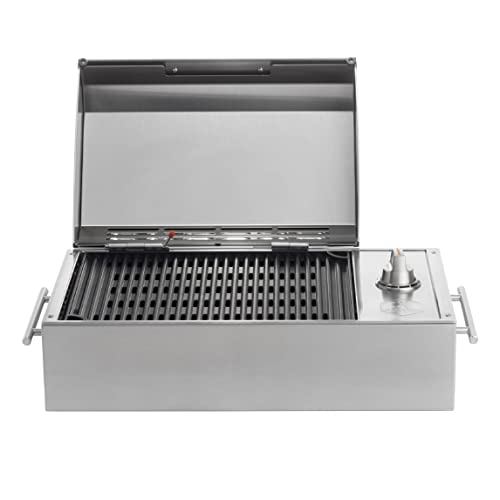
Kenyon City Grill Portable Stainless Steel Electric Grill
 August's Pick LiberNovo Maxis Electric Big and Tall Ergonomic Office Chair, Graphite 52cm $1,393.00
 July's Pick Powerful Propane Torch Gun, Adjustable Flame Thrower Gun, Kitchen Torch with Detachable Design, Flamethrower Blow Torch for BBQ, Searing Steak, Welding, Camping Charcoal Lighter(Tank Not Included) $42.99
 June's Pick OYASUMI Funny BBQ Man Hot Dog Holders, 4 PCS Reusable Stainless Steel Sausage Stands, Portable Hot Dog Roasters, Barbecue Grill Accessories for Camping & Party Gifts $7.98

Protect Your Sleep At Altitude And In Dry Hotel Rooms So Early Starts Don't Wreck Your Day On The Mountain
Warm Up For Ten Minutes Before A Cold-Weather Hike So Stiff Hips And Knees Don't End The Day
Go Easy On Alcohol And Long Stretches Of Sitting Because Both Hit Harder In The Cold
Get A Checkup Before A Strenuous Winter Trip, Especially After 50
Use The Long Hike To Check In With Your Buddies About More Than The Weather
Tie Each Habit To A Fixed Point In The Trip Day So It Lasts All Week

