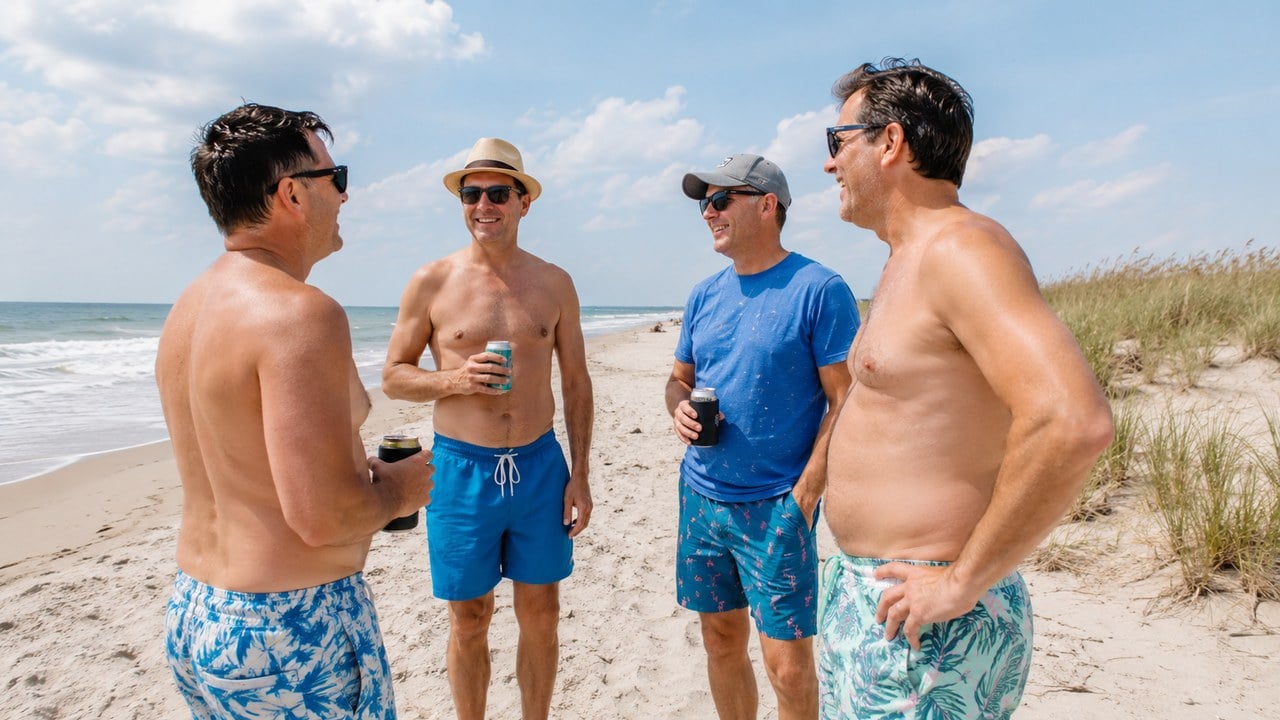
The morning after is where a guys trip gets decided. Somebody books the charter, the early tee time, or the sunrise walk down the beach, and by the time it rolls around half the group is useless. Staying sharp through day three comes down to a short list of things you can control: light, water, when you sleep, and what you put in your body.
Picture a long weekend with the guys on the Delaware shore. Beers on the sand Friday, a boat Saturday, and somebody has already floated the idea of getting up early for the sunrise. That schedule is survivable, but only if recovery is part of the plan rather than something the group leaves to chance.
Start with daylight. Getting outside within about 30 minutes of waking resets your internal clock after a short night and sharpens the cortisol rise that gets you moving. Pair it with 16 ounces of water before your first coffee to put back most of what you lost overnight.
Hydration and Sleep Anchors That Maintain Mental Clarity
Alcohol is the main reason a group loses its mornings, and the mechanism is not the headache everybody talks about. Even moderate drinking disrupts sleep architecture - you fall asleep faster, sleep hard through the first half of the night, then fragment through the second half. The first REM period gets pushed back at every dose researchers have studied, which is why you can spend eight hours in bed and still wake up foggy.
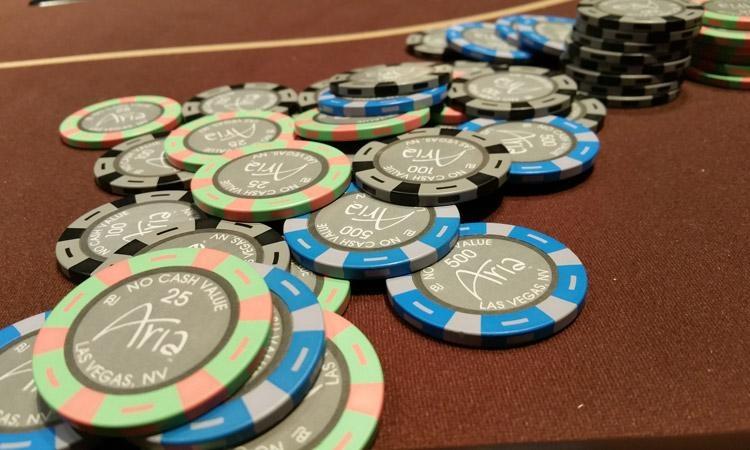
Interview with Vegas VIP Host Manny Kess
Manny Kess is a Vegas VIP host who can help plan the ultimate Las Vegas bachelor party or guys weekend.
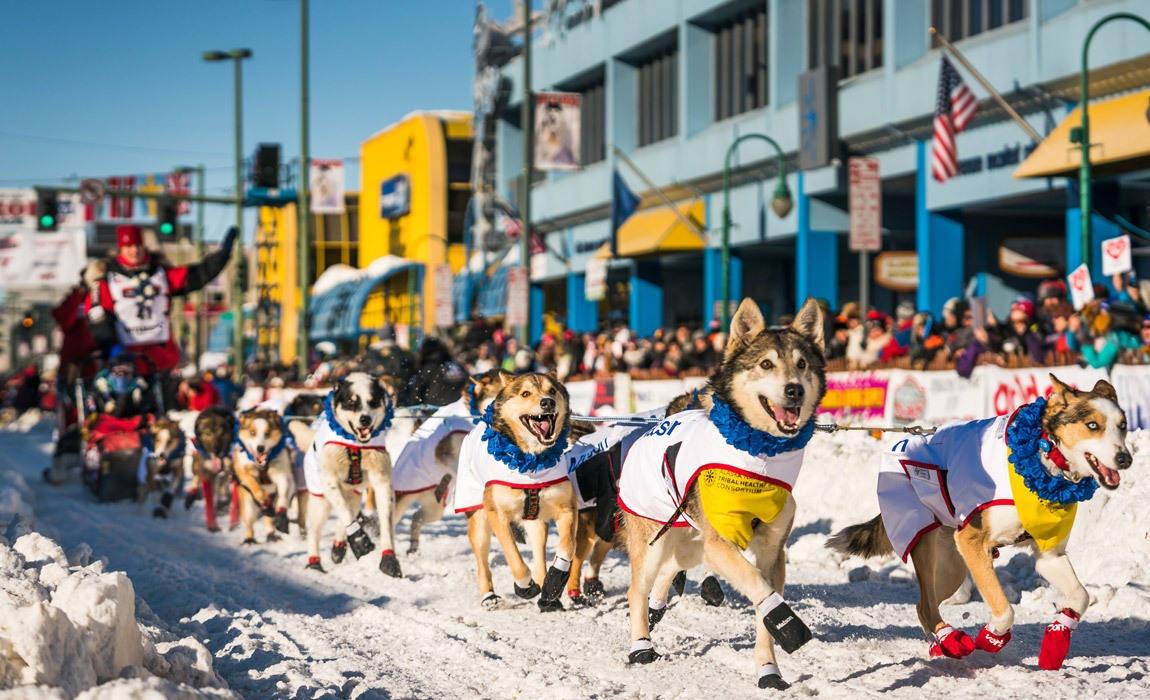
Alaska Words And Phrases That You Might Hear When You Visit
Here are some Alaska words, slang terms, and phrases that you might hear when you visit Alaska.

Authentic of Vietnam & Cambodia Tour - full package
A two-country tour through Vietnam and Cambodia, from Mai Chau and Ha Long Bay to Angkor's temples. Ideal for travelers seeking culture beyond the crowds.

Multi day Kayak Expedition Sitka, Alaska
Multi day kayak expedition in Sitka, Alaska with wildlife, pristine forests and Tlingit and Haida history, ideal for adventurous paddlers.
Promoted by FlowAds

None of that requires skipping the bar, just two or three anchors you refuse to move:
- A fixed wake-up window - within 60 minutes of your normal time, even on the trip
- 16 ounces of water first - before coffee, before anything else
- A 20-minute nap - in the afternoon window before dinner rather than after it
Match every drink with a glass of water and fluid balance takes care of itself. It is the same discipline you would use the night before a Monday morning presentation, just applied to a Saturday. And if the trouble is sleeping in an unfamiliar bed, pack the things that make a hotel room feel like your room - an eye mask, your own pillowcase, the thermostat at 66.
Smart Supplementation and Cognitive Stack Selection
Once sleep and water are handled, the next lever guys reach for is a daily nootropic. The supplements category is worth understanding before you buy, because the label tells you more than the marketing does. Look at three things: the dose of each ingredient rather than just its presence on the list, whether the brand publishes third-party testing, and how much of the effect is coming from stimulants.
Man Gear Pick of the Month
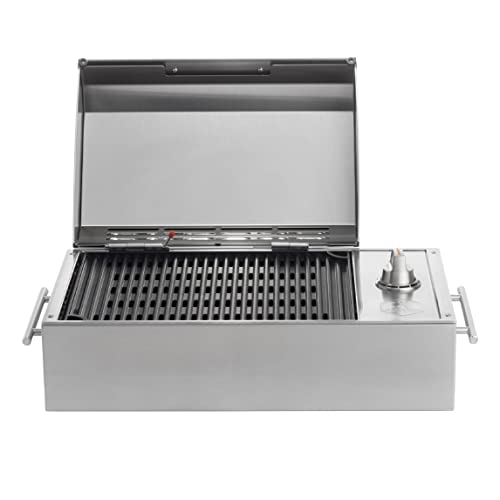
Kenyon City Grill Portable Stainless Steel Electric Grill
Why we picked it: a grill you can actually carry to the campsite, the tailgate or the cabin without borrowing a truck. Stainless, no propane tank to wrestle, and hot enough to cook for four guys rather than reheat for one.
 August's Pick LiberNovo Maxis Electric Big and Tall Ergonomic Office Chair, Graphite 52cm $1,283.00
  July's Pick Powerful Propane Torch Gun, Adjustable Flame Thrower Gun, Kitchen Torch with Detachable Design, Flamethrower Blow Torch for BBQ, Searing Steak, Welding, Camping Charcoal Lighter(Tank Not Included) $42.99
  June's Pick OYASUMI Funny BBQ Man Hot Dog Holders, 4 PCS Reusable Stainless Steel Sausage Stands, Portable Hot Dog Roasters, Barbecue Grill Accessories for Camping & Party Gifts $7.98
 Promoted by FlowAds

That last one matters most on a trip. A review comparing NooCube and Mind Lab Pro is a useful illustration of the split - two caffeine-free formulas aimed at the same job, both leaning on compounds like L-theanine and Bacopa Monnieri to hold attention rather than stacking stimulants. This is a formula that works by pushing your nervous system harder feels great at nine in the morning and costs you at three in the afternoon, which is the opposite of what you want on a day with a boat, a long lunch, and a dinner reservation.
Caffeine isn't bad but timing is the other half of this that really matters. In our What coffee does to your brain we talked about how the benefits depend heavily on dose and timing, and a moderate dose paired with L-theanine is where most people land for calm focus without the spike and crash that wrecks an afternoon.
Stacking Supplements With Drinks and Edibles
A nootropic is not the only thing going into your body on a trip weekend, and the combinations are worth about ninety seconds of thought before you leave.
Alcohol is a depressant, THC is sedating, and a fair number of the calming ingredients in focus blends work the same side of the street. Run all three in one night and you usually wake up flatter rather than sharper. Edibles are the sneaky one, because the timing is unpredictable enough that a gummy at ten can still be working at seven. If your group already uses CBD for travel recovery, count it as part of the stack instead of a freebie.
The one place to stop guessing is prescriptions. Blood thinners, blood pressure medication, and antidepressants all have documented interactions with common botanical ingredients, and St. John's Wort with an SSRI is the textbook case. If you take something daily, that is a five-minute conversation with your doctor before the trip rather than something to sort out at the bar. None of that makes any of it off limits - it just argues for picking one lane a night instead of running all three.
Strategic Alcohol Pacing During Nighttime Socializing
Open bars and group toasts are where the plan usually falls apart, and the fix is mechanical rather than moral. Spacing the drinks out is what protects the back half of your night, and the mixer matters less than most guys think. If anything, the diet option works against you. In a study of social drinkers, the same vodka mixed with diet soda produced a mean peak breath alcohol of 0.091 against 0.077 with the sugared version, and the participants could not tell the difference in how drunk they felt. The usual explanation is that sugar slows how fast the stomach empties.
Ordering a sparkling water between rounds builds in a buffer without announcing to the table that you are pacing yourself. The other move is deciding your number before you get there. A bachelor party has a rhythm of its own, and the guy who picks his limit back at the hotel at six sticks to it far more reliably than the guy doing the math at eleven.
Physical Reset Protocols for Peak Focus Are Critical Whether Relaxing on The Beach Or Attending a Racing School
When fatigue hits between afternoon activities, five minutes of movement does more than another espresso. Bodyweight squats, pushups, and a couple of flights of stairs raise blood flow to the brain quickly, and working the large muscle groups signals your nervous system to come back online without the crash that follows a fourth coffee. A hotel gym makes it easier, but a hotel room floor is enough.
Breathing is the version that works when moving is not an option - on a boat, mid-round, or in the back of a shuttle. Box breathing runs four seconds in, four hold, four out, four hold, repeated for about five minutes. It settles the nervous system enough to get your focus back when energy flags. Pair either one with a short walk outside and you pick up the daylight benefit at the same time.
Most groups build the itinerary first and hope the bodies keep up. Building it around the sleep instead costs nothing. Day one is travel, and everybody is running on whatever sleep they got at home. Day two is when the group is freshest. By day three the sleep debt has usually stacked up even when the pacing was disciplined.
So put the offshore charter, the mountain bike day, or the round everybody flew in for on day two, and leave day three for the things that survive a slow start. The groups that come home talking about how good the trip was are usually the ones who booked the 6 a.m. charter for Saturday instead of Sunday.

Promoted by FlowAds
