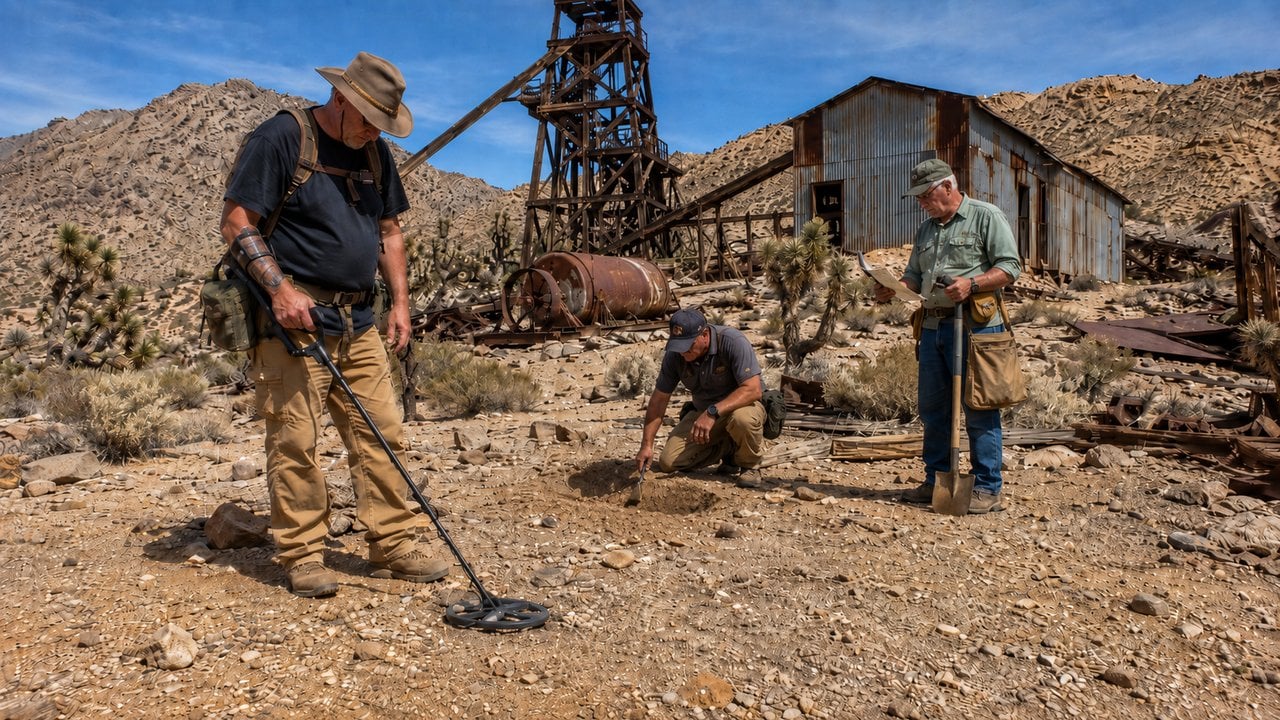
Every guy who has walked a beach with his head down knows the pull of finding something - sea glass, a lucky quarter, once in a while a ring in the wet sand. Prospecting and treasure hunting are the next level of that same instinct, and America is loaded with places where you can legally dig diamonds, pan gold, and pull Civil War bullets and Spanish silver out of the ground and keep what you find. Here is where to go, what the rules are, and the basic gear that separates a great treasure hunting trip from an expensive walk.
What Do You Call Your "Guys Trips"?
Treasure hunting rewards homework more than luck. These are the habits that put real finds in your pouch.
- Join a local metal detecting or prospecting club before your first serious trip - members share private-land permissions and staked claims you could never hunt on your own.
- Time beach hunts for the days right after a storm or a strong onshore blow, when the surf strips away sand and exposes targets that have been buried for decades.
- Old plat maps, courthouse records, and small-town historical societies point to house sites, fairgrounds, and swimming holes that have never been searched.
- Most of the places in this article cost less than 20 dollars a day to hunt, so the real budget conversation is fuel and lodging, not access.
- Fill every hole and pack out your trash - detectorists lose beach and park access every year because a few guys left craters behind.
One thing to take seriously before you load the truck: prospecting and treasure hunting carry real risk, from crumbling mine shafts to remote desert roads and rivers that run faster than they look. Follow the rules wherever you hunt, get permission before you set foot on private land, and never treat a sagging fence as an invitation - a trespassing charge ends this hobby fast. Good equipment matters almost as much, which is why so many hunters swear by Garrett metal detectors - the company has been building machines for exactly this kind of work since 1964, and the lineup covers everything from city parks to the surf line.
The Basic Gear Every Treasure Hunting Trip Needs
You do not need a truckload of equipment to start, but a few pieces make the difference between finding targets and walking right over them. While every treasure hunting trip is going to be a bit different - here are some of the standard items that you'll need to think about getting before heading out in search of burried riches.
- A detector matched to your hunting ground - the Garrett ACE 400 is the workhorse for parks and relic fields, while the AT Max is submersible to 10 feet for surf, creek crossings, and shallow river work.
- A pinpointer and a digging tool - a handheld pinpointer cuts recovery time in half, and a sturdy trowel or relic shovel lets you cut clean plugs instead of craters.
- A sand scoop for the beach - a long-handled scoop with mesh sides sifts wet sand in seconds and saves your back over a long morning.
- A gold pan, classifier, and snuffer bottle - the full river kit costs less than dinner for two and works in every gold-bearing stream in the country.
- Offline maps, extra water, and a first aid kit - the best mining districts have zero cell signal, and desert distances are always longer than they look.
The Best Places to Go Prospecting and Treasure Hunting in America
Every spot below is legal to hunt, cheap to access, and productive enough that people pull real finds out of it every season. The list runs roughly from easiest to most ambitious, so you can level up as the obsession takes hold.

Planning An Alaskan Cruise Mancation? Here's What You Need to Know
An Alaska Cruise is a fantastic mancation idea, here are some tips to make it an amazing experience.
11 Father-Son Trip Ideas: Male Bonding Through Inter-Generational Travel
Looking for cool father-son trip ideas? Explore unique destinations and activities, from adventurous mountain getaways and scenic bike trails to cultural explorations and relaxing cruises, perfect for

The Tea Hubs of Srilanka
With this tour, witness this rich heritage by visiting tea estates, as well as working tea factories and get hands-on experience in the art of tea making and get some brief experience on Srilankan Spices and herbal items too.

12 Day Explore Sri Lanka
A 12 day Sri Lanka tour focused on local tradition and culture, ideal for travelers seeking a unique and remarkable holiday experience.
Promoted by FlowAds

Florida's Treasure Coast - Spanish Silver After the Storms
In 1715, a hurricane sank a Spanish fleet loaded with New World gold and silver between modern-day Sebastian Inlet and Fort Pierce, and coins still wash onto these beaches three centuries later. You can legally detect from the mean low tide line up to the toe of the dunes and keep what you find.
Stay out of the water here, though - the offshore wreck sites are covered by exclusive salvage leases, and working them without one is a legal mess you do not want. The smart play is to watch the weather and hit the sand right after a nor'easter, when the ocean does the digging for you. Even in quiet weeks, the tourist-heavy stretches give up modern rings, watches, and enough coins to keep the morning interesting.
Venice, Florida - Fossil Shark Teeth by the Scoopful
Venice calls itself the Shark Tooth Capital of the World, and Caspersen Beach at the south end of town proves the claim daily. The Gulf here erodes a fossil layer that has been dropping shark teeth onto the beach for millions of years, from fingernail-size sand tiger teeth to broken slabs of megalodon.
Man Gear Pick of the Month
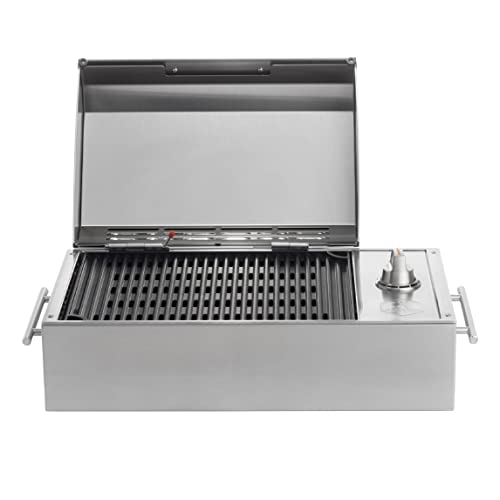
Kenyon City Grill Portable Stainless Steel Electric Grill
Why we picked it: a grill you can actually carry to the campsite, the tailgate or the cabin without borrowing a truck. Stainless, no propane tank to wrestle, and hot enough to cook for four guys rather than reheat for one.
 August's Pick LiberNovo Maxis Electric Big and Tall Ergonomic Office Chair, Graphite 52cm $1,466.00
  July's Pick Powerful Propane Torch Gun, Adjustable Flame Thrower Gun, Kitchen Torch with Detachable Design, Flamethrower Blow Torch for BBQ, Searing Steak, Welding, Camping Charcoal Lighter(Tank Not Included) $41.99
  June's Pick OYASUMI Funny BBQ Man Hot Dog Holders, 4 PCS Reusable Stainless Steel Sausage Stands, Portable Hot Dog Roasters, Barbecue Grill Accessories for Camping & Party Gifts $14.98
 Promoted by FlowAds

Florida requires a permit for collecting vertebrate fossils on state land, but fossil shark teeth are specifically exempt - no paperwork, no fees. Bring a long-handled sifting basket, work the surf line at low tide, and expect to fill a pocket in an afternoon. When that stops being enough, charter boats out of Venice run divers to the offshore ledges where whole megalodon teeth come up.
Lake Michigan's Petoskey Stone Beaches
I live in Michigan, so this one is personal. At the north end of the lake around Petoskey and Charlevoix, the beaches carry fossilized coral that polishes into the honeycomb-patterned Petoskey stone, Michigan's state stone, and hunting them is beachcombing with a bigger payoff.
Go in spring right after ice-out, when winter storms have churned fresh rock up onto the beaches, and check stones while they are wet - dry ones look like ordinary gray rocks. Michigan's DNR caps collecting at 25 pounds per person per year on state land, and nothing comes home from Sleeping Bear Dunes National Lakeshore, which is federal land.
Crater of Diamonds State Park, Arkansas - Dig a Real Diamond
Crater of Diamonds in Murfreesboro is one of the only places on the planet where the public can dig for diamonds at the original volcanic source and keep every carat. Admission runs about 15 dollars, the hunting ground is a 37.5-acre plowed field over an ancient volcanic pipe, and visitors have registered more than 37,000 diamonds since Arkansas made it a state park in 1972.
The 40.23-carat Uncle Sam diamond, the largest ever unearthed in the United States, came out of this dirt in 1924. Go after a hard rain, when the heavy stones settle into washed gravel between the plowed rows, and walk slowly with your eyes down - plenty of diamonds here are spotted on the surface, not dug. If you have kids along, this is the one hunt on the list they will love as much as you do.
Culpeper County, Virginia - Civil War Relic Country
More Civil War fighting churned through the Virginia Piedmont than almost anywhere else, and the farmland around Culpeper and Brandy Station still gives up dropped bullets, buttons, buckles, and camp gear every season. If Civil War relics are what pulled you into this hobby, Culpeper is where you go hunt them.
The law is simple and strictly enforced: national and state battlefield parks are completely off limits, and relic hunting is legal only on private land with the owner's permission. Knock on doors, offer to share what you find, and get the yes in writing. If cold-calling farmers is not your thing, organized group digs lease big private tracts that held winter encampments - a great group weekend if your buddies lean history-nerd.
The American River at Auburn, California - Pan Where the Gold Rush Started
The Gold Rush started on the American River in 1848, and its forks still carry flood gold down out of the Sierra every spring. Auburn State Recreation Area, about 35 miles northeast of Sacramento, allows recreational panning in the natural gravel beds - hands and pans only, no shovels or sluices, with a 15-pound daily limit on material.
Work the inside bends and the downstream side of boulders, where the current slows and heavy material drops out. Expect flour gold and the occasional picker rather than nuggets, and expect snowmelt water cold enough to numb your hands by the third pan.
Gem Mountain, Montana - Sapphires by the Bucket
Gem Mountain sits on Skalkaho Pass Road outside Philipsburg, Montana, and it works on a simple deal: buy a bucket of sapphire-bearing gravel from the Rock Creek deposit for about 40 dollars, wash it at the trough, and keep every stone you find. Most buckets give up a handful of sapphires, and the staff will grade your best finds on the spot and arrange heat treating and cutting if one deserves a mount.
The mine runs a summer season, Memorial Day weekend through Labor Day, which is exactly when western Montana is at its best anyway. Fold it into a weekend with the guys in Montana - Philipsburg's main street has a brewery worth the stop, and trout water runs in every direction.
The Old Dale Mining District - Off-Road Gold Country Near Joshua Tree
East of Joshua Tree National Park, Old Dale Road runs through a district that was worked for gold from the 1880s on, and the desert out there is still littered with headframes, rusted machinery, and tailings piles. We have explored the Joshua Tree gold mines by 4x4 more than once, and the trail is half the adventure - it cost me a tire sidewall on one trip.
Know the boundary before you dig. Inside the national park you take nothing, period. On the BLM side of the district, casual collecting and metal detecting are allowed - up to 25 pounds of rock and mineral material a day - as long as you stay off active mining claims and leave no real disturbance behind. And no matter how inviting a dark tunnel looks, stay out of the shafts; the timbers holding them up are a century old.
How to Choose Your First Real Treasure Hunt
The right first trip depends less on the treasure and more on who is riding along and how much homework you are willing to do before the tailgate drops.
Beach detecting and shark tooth sifting are social - everyone can talk, wander, and compare finds all morning, which makes the Florida spots ideal for first-timers or a bachelor party that needs a recovery-day activity. Panning and bucket washing reward patience over fitness, while the Old Dale district demands a capable 4x4 and a group that takes recovery gear as seriously as the detector. If your group would rather see mining history up close than haul it home, there are underground mine tours that scratch the same itch with a guide and a hard hat.
Five minutes of map work saves a wasted weekend or a citation. The BLM's Mineral and Land Records System shows active mining claims for free, so you can confirm a wash is open before you swing a detector over it, and county GIS parcel viewers tell you exactly who owns that promising farm field so your permission request reaches the right mailbox.
This hobby escalates fast - one year you are pocketing sea glass, the next you are watching January storm charts because a nor'easter just stripped four feet of sand off the beaches south of Sebastian Inlet. Pick a spot, grab the guys, and bring the scoop.
Good Will Hunting to The Departed: A Guys Film Tour of Boston
Boston film locations guys weekend: walk the real spots from Good Will Hunting, The Departed, The Town, and Spotlight. L Street Tavern, the Public Garden bench, and Charlestown — every neighborhood tells a story.
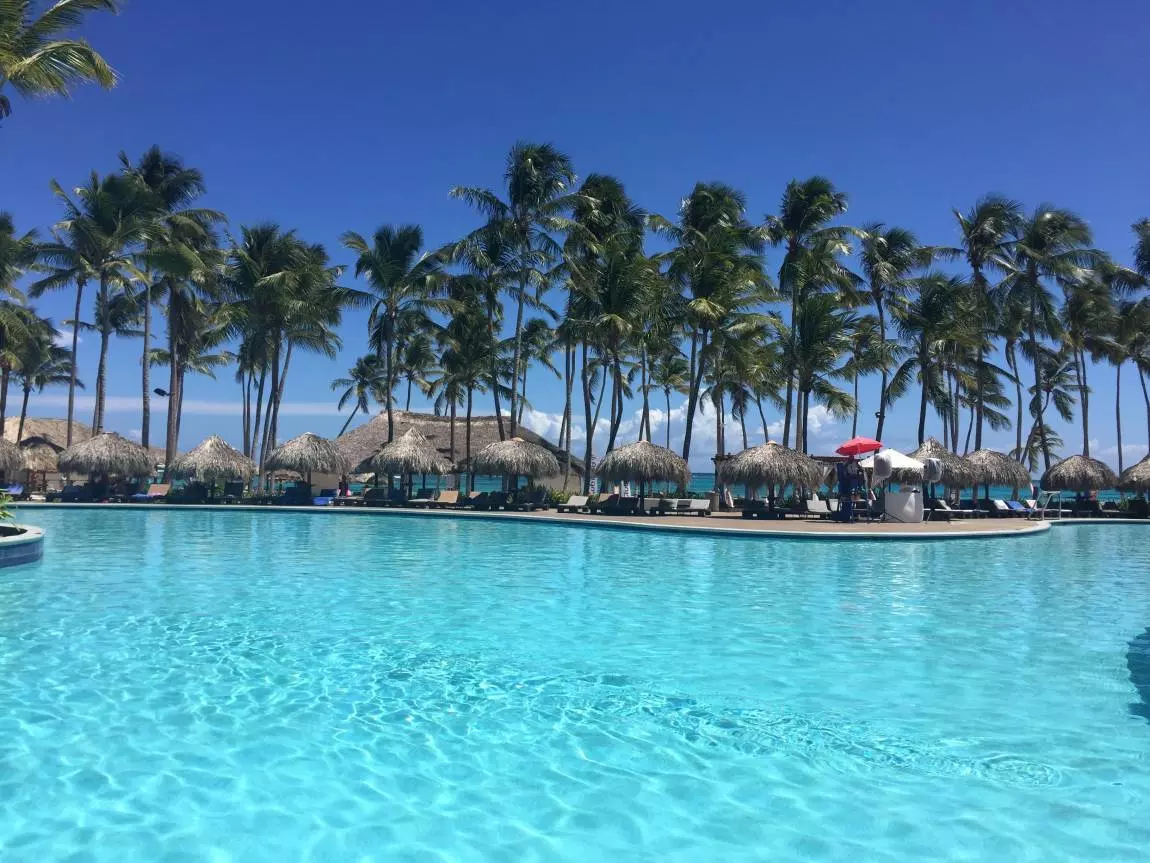
Why Men Should Pick A Dominican Republic All-Inclusive Resort For A Caribbean Guys Trip
Reasons men should consider an all-inclusive resort in the Dominican Republic for their next guys trip.

Beyond Detroit: Best Places In Michigan For A Guys Trip
Discover Michigan's best guys trip destinations, from Grand Rapids' brewery scene to outdoor adventures in Pictured Rocks and Copper Harbor.
Promoted by FlowAds


Promoted by FlowAds
