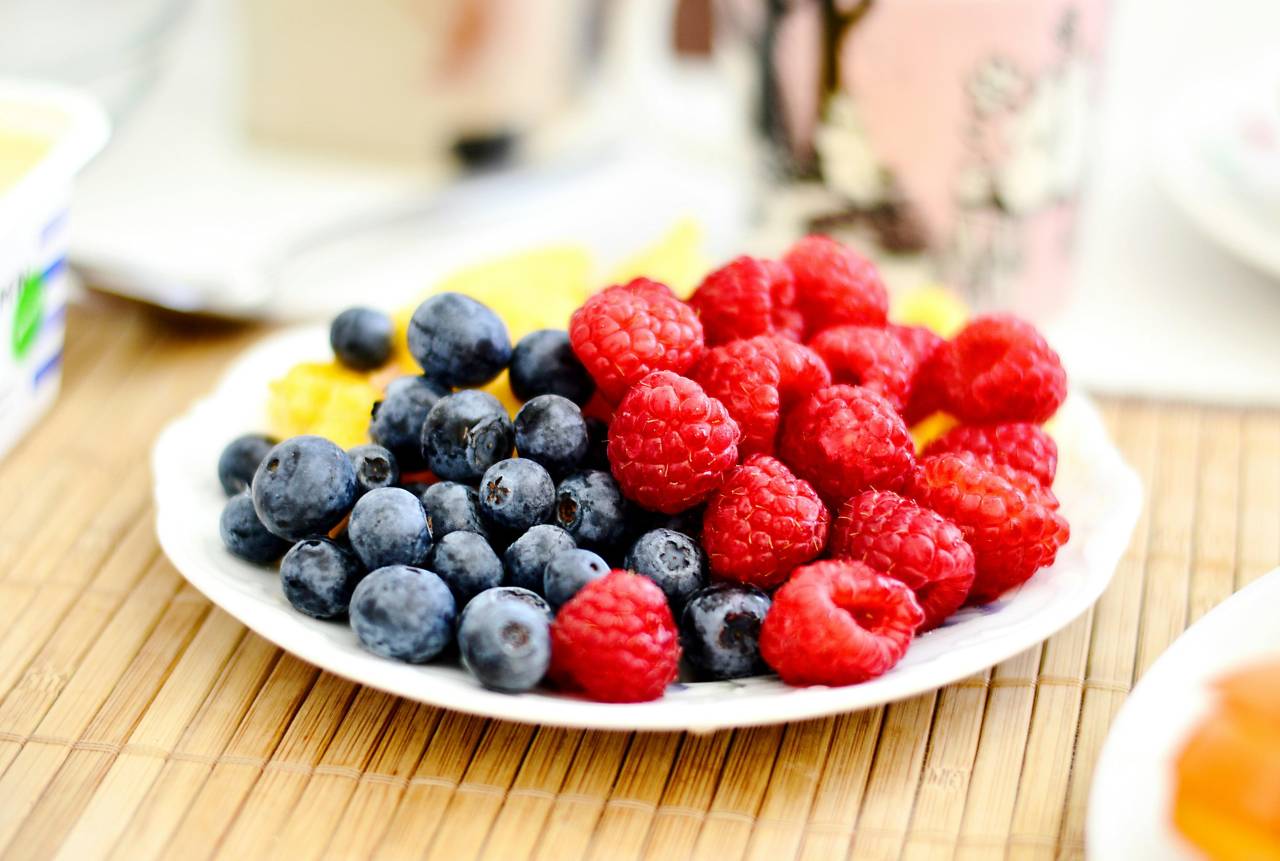
Fruit is the easiest thing to get right in a man's diet and the most oversold. Berries, bananas, avocados and citrus each do specific, measurable things, some with trial data behind them and some invented by a marketing department. Here is the sorted version, sources attached, plus four meals that treat fruit as an ingredient.
If You Could Give A Healthy Eating Tip to Your Younger Self, What You Share?
Most fruit advice aimed at men leans on a retired number or on a study that tested something else. Five things worth knowing before you build a rotation:
- The ORAC antioxidant score printed on juice bottles is a dead metric, and the agency that published it killed it.
- Tart cherries hold the better trial record for soreness and sleep, and both trials used a defined dose over several days.
- A medium banana gives you 422 mg of potassium, which is true, but potassium is not what ends a cramp.
- Half a Hass avocado brings about 6.6 g of monounsaturated fat, and neither that fat nor its minerals lift testosterone in a man already eating enough.
- Pomegranate juice and pomegranate seeds are different products, because the punicalagin in the bottle comes out of the rind during pressing.
Nobody needs talking into eating a banana, yet the produce aisle is wrapped in antioxidant scores, hormone promises and recovery claims that fall apart the second you look for the study underneath. Fruit is also the smaller half of the job, since vegetables carry more of the fiber and micronutrient load.
Fruit-Powered Meal Ideas For The Active Man
Four meals that treat fruit as an ingredient, not a garnish.
Warrior's Pre-Workout Power Bowl
Steel-cut oats, sliced banana, mixed berries, chopped walnuts, plus protein powder if the session runs long. The walnuts slow it down enough that you are not hungry forty minutes in.
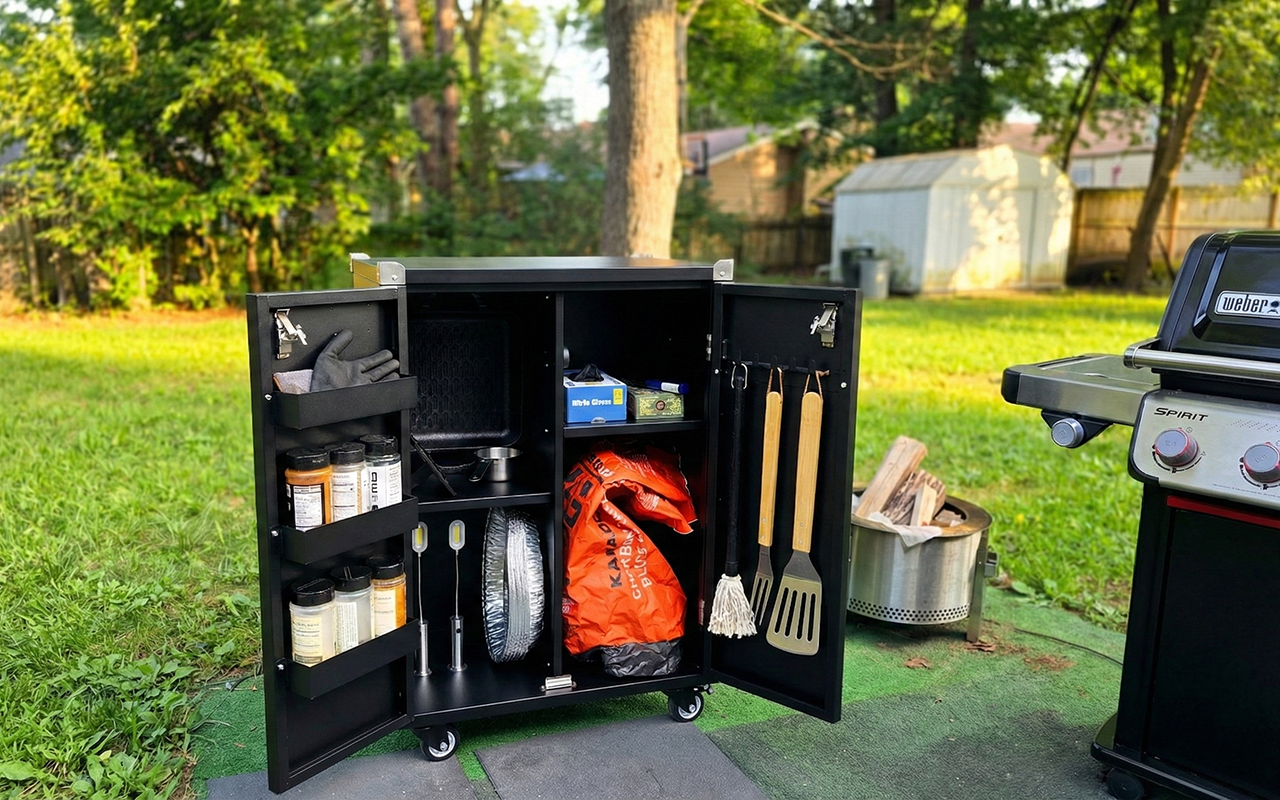
GrillBox 2.0 Review: Solid Build, Assembly Frustrations, and Why I Still Recommend It
The GrillBox 2.0 keeps grilling gear organized and protected year-round. 18-gauge steel construction, adjustable storage, and 360-degree wheels. Honest take on assembly and pricing considerations.
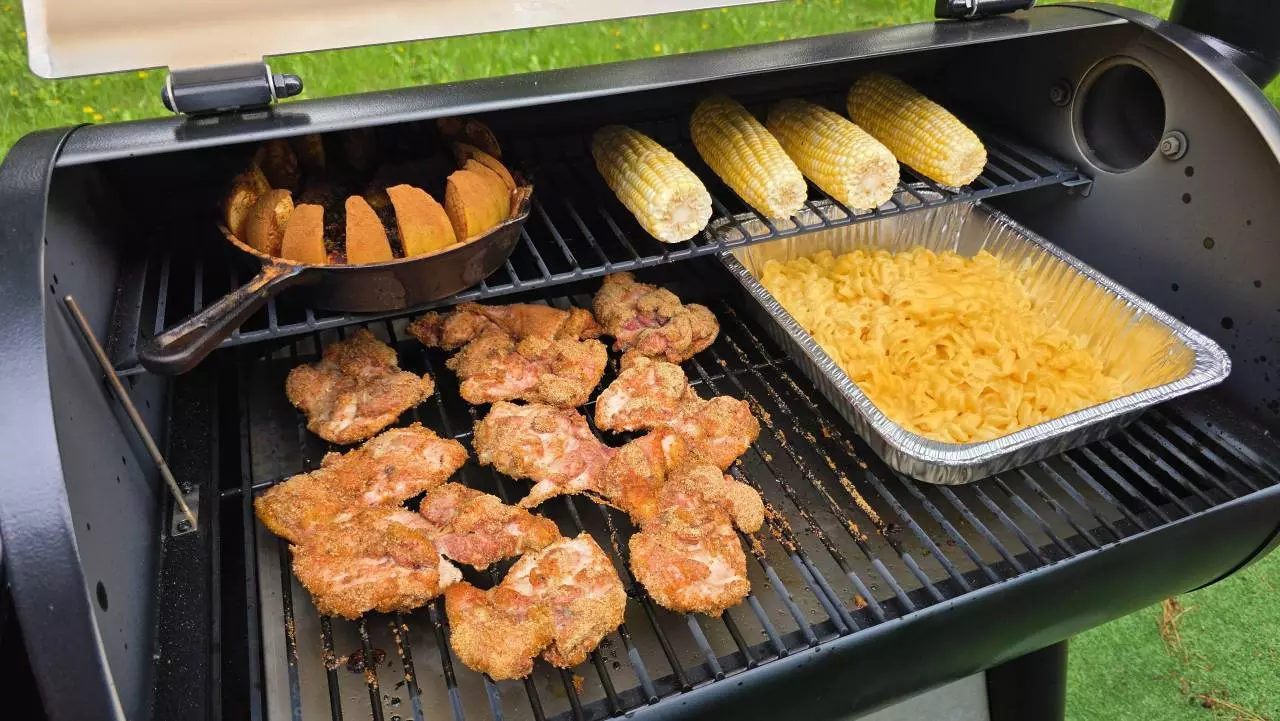
Finding Your Flame: Every Man's Guide to Mastering Different Grill Types
Explore the ultimate backyard grilling guide comparing gas, charcoal, pellet, and wood grills. Learn which type suits your cooking style, maintenance preferences, and flavor profile desires for creati
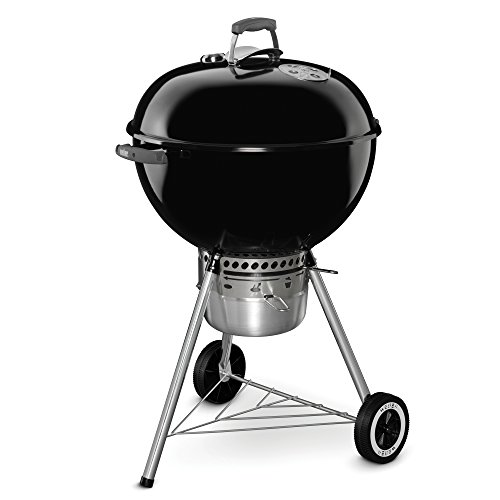
Weber Original Kettle Premium Charcoal Grill, 22-Inch
The Weber 22-Inch Original Kettle Premium charcoal grill suits backyard cooks, with easy ash cleanup, hinged grate, and heat-retaining porcelain-enameled build.
Sponsored

Hunter's Avocado Steak Plate
Ribeye or sirloin, half a sliced avocado, roasted sweet potatoes - the plate for a night when the guys are coming over and a salad would be an insult. Avocado fat helps you absorb the fat-soluble vitamins beside it. That effect is real, and it is not the testosterone story this plate usually gets sold with. The online steak and exotic meat market has also gotten easier to shop.
Power Lifter's Recovery Smoothie
Frozen mixed berries, a banana, protein powder, coconut water. Buy them frozen on purpose: better texture, lower cost, and they are still there in March instead of going soft a week after you got optimistic at the store.
Woodsman's Citrus Glazed Venison
Orange and lemon juice, garlic and herbs on venison steaks or a roast, plus two corrections. Citrus has no tenderizing enzyme - papaya and pineapple do, citrus works by acid, and acid on lean game meat turns the outside chalky, so keep the marinade under an hour. The vitamin C does little for the iron either: venison iron is largely heme iron, already well absorbed. Save the squeeze for the beans beside it.
Fruit does better on venison as a sauce than as a marinade, which is why the blueberry compote I run on grilled venison tomahawks does the job this glaze keeps getting credited with. Check how long that meat has left if it came from your freezer.
Berries And Tart Cherries: Which Recovery Numbers Hold Up
Delete the ORAC score from your mental model. Everything useful about berries survives without it.
- The retired metric: USDA withdrew its own Oxygen Radical Absorbance Capacity database in 2012, saying the values had no demonstrated relevance to human health and were being misused in marketing. Test-tube scores do not translate to what happens inside a body. A bottle still printing one quotes a number its own publisher retired.
- What to measure instead: anthocyanins, the pigments that make the fruit dark. USDA's survey of common foods puts cultivated blueberries near 365 mg per 100 g, roughly 529 mg in a one-cup serving. You can quantify and dose that, which is the difference between a nutrient and a score.
- Where tart cherries win: fourteen men drank two 12 oz bottles of tart cherry blend daily for eight days around a punishing eccentric elbow protocol, and strength loss came in at 4% against 22% on placebo. Small sample, one joint, but a measured outcome with a defined dose - at least 40 mg of anthocyanins per bottle.
- The sleep angle: a seven-day trial of tart cherry concentrate in 20 adults raised urinary melatonin and increased total sleep time and sleep efficiency. Twenty people is not a mandate, and better sleep is worth having without a hormone claim hung on it.
Bananas Or Dates: Which One Fuels The Workout
Two of the three things men repeat about this matchup do not survive the research.
- Potassium: a medium banana gives you 422 mg, 9% of the Daily Value. That checks out. The cramp story does not. When men cycled in the heat and then ate up to two servings of banana, plasma potassium barely moved, and moved too slowly to stop a cramp in progress. Cramps are neuromuscular, not a potassium account balance.
- Carbohydrate load: dates concentrate as they dry. Medjool dates hold 75 g of carbohydrate per 100 g where a banana holds 23 g, which is why cyclists keep them in a jersey pocket. Check the number you are quoted, though: the 66 g usually printed for dates is their sugar total, not their carbohydrate total. My rule is that dates are fuel, not a snack, and eating them at a desk between calls is eating candy with a little fiber in it.
- Glycemic response: the folklore has this backwards. Five date varieties measured glycemic indices of 46 to 55 in healthy adults and 44 to 53 in adults with type 2 diabetes, the low end of the scale. Dates are dense, not spiky.
- Staying power: neither brings much fiber per calorie, which is why fruit is the fast half of pre-workout fuel and beans are the slow half.
So pick by duration, not by folklore. For an hour in the gym the banana is enough; for the long ride dates carry three times the carbohydrate per bite. Neither is doing anything to your hormones.
Avocados, Pomegranates And The Testosterone Question
This is where men's nutrition content goes off the rails. Fruits first, then the belief itself.
- What half an avocado gives you: about 10.5 g of fat, 6.65 g of it monounsaturated, plus 4.6 g of fiber, 345 mg of potassium and 19.5 mg of magnesium in a 68 g half, double that for a whole fruit. The quoted "15 g of monounsaturated fat per avocado" is the total-fat figure per 100 g wearing the wrong label. Good fat either way, though the fats with the best cardiovascular trial record behind them are still the omega-3s in seafood.
- Where the testosterone belief comes from: a 2021 meta-analysis of six studies in 206 men found low-fat diets lowered total and free testosterone against higher-fat diets. That is the grain of truth: cutting fat too far costs you something. It does not say a second avocado buys you anything, and the authors asked for randomized trials before anyone leans on it.
- The mineral version: zinc and magnesium get sold on the same logic. Correcting a deficiency matters; adding more on top of an adequate intake does not, and eight weeks of zinc-magnesium supplementation in 42 trained men produced no difference in anabolic hormone status. Eat seeds for their mineral density and nuts for their magnesium because they are good food, not because they move your bloodwork.
- Pomegranate is a polyphenol story: commercial juice carries 1,500 to 1,900 mg of punicalagin per liter, while juice pressed from arils alone held only traces: those tannins come out of the rind during pressing. Seeds spooned out at your counter are not the same product as the bottle, so a polyphenol claim taken from juice research does not transfer to the arils in your yogurt.
Whole Fruit Vs. Supplements: Fiber Is The Difference
Extract capsules promise the compound without the calories, and leave out the part doing most of the work.
Fiber is the plain answer: half an avocado carries 4.6 g of it and a capsule carries none. Fiber slows absorption, feeds gut bacteria and makes fruit filling instead of merely sweet. The label may also be selling you a vitamin that got demoted. "Bioflavonoid complex" descends from a 1930s idea called vitamin P, a label the scientific community never widely accepted - no deficiency disease was ever pinned to it and no intake requirement was ever set. The connective-tissue benefit people credit to bioflavonoids belongs to vitamin C, which is required for collagen synthesis and shows up at 70 mg in a medium orange. Eat the orange.
That same logic holds once you are away from your own kitchen and the supplement aisle gets louder, which is where knowing what the research does and does not support for staying healthy while traveling saves you money as much as it saves you a sick day.
Building A Fruit Rotation You Will Keep
The most useful detail in the cherry research is not the fruit, it is the timing. Both trials loaded their subjects for days ahead of the hard effort, the soreness study starting three days out.
Nobody drinks it on that schedule, so most guys try a bottle after a brutal session, feel nothing, and write it off. Start before the event instead: the tournament, the ski trip, the first morning of a long weekend with the guys when you already know Saturday will hurt.
The rest has not changed since bachelor days and does not need to. Berries in the freezer, bananas on the counter, an avocado ripening, citrus in the drawer, and protein at the same meal so the fruit is fueling something.
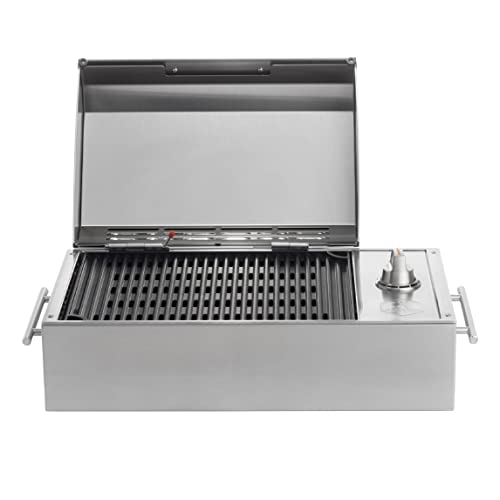
Kenyon City Grill Portable Stainless Steel Electric Grill
Why we picked it: a grill you can actually carry to the campsite, the tailgate or the cabin without borrowing a truck. Stainless, no propane tank to wrestle, and hot enough to cook for four guys rather than reheat for one.


Sponsored
