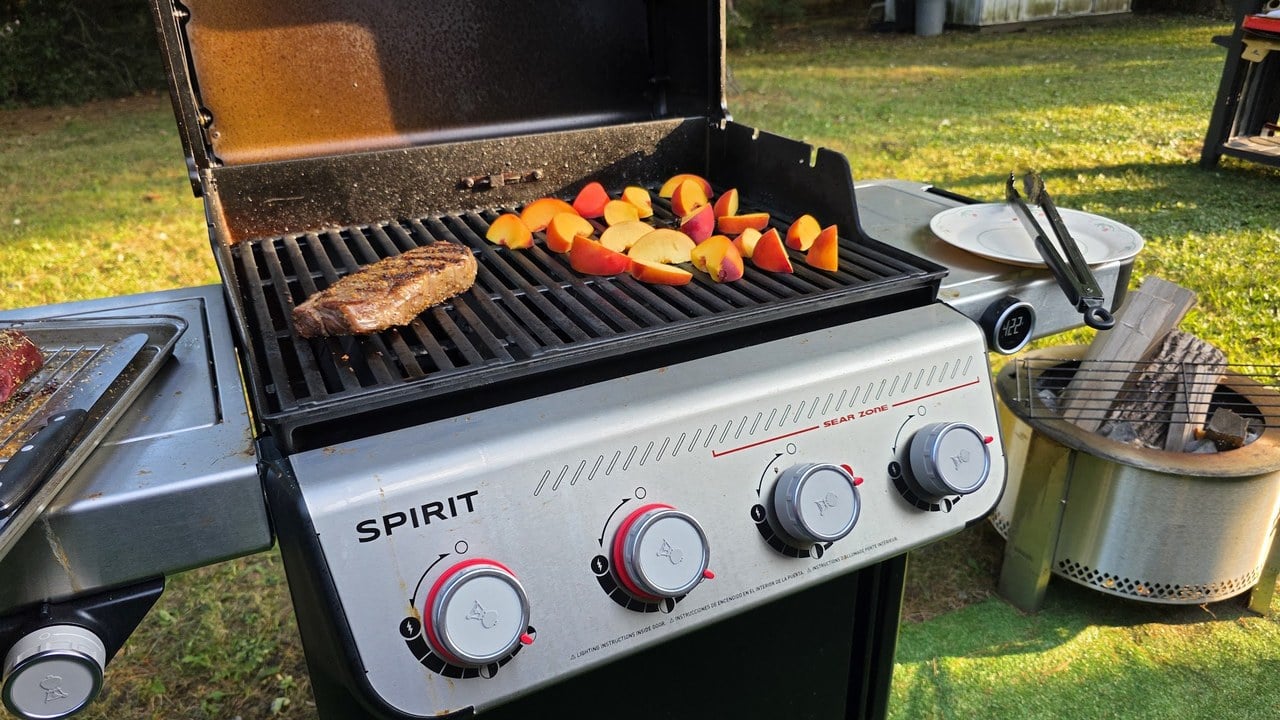
Dreams of becoming the neighborhood champion grillmaster don't come easy and a backyard grilling setup that makes your neighbors envious almost never arrives in one purchase. It gets assembled over seasons and hundreds or thousands of dollars of investment. That slow accumulation of grilling gear is where the money goes sideways, because nobody budgets for a project they never admitted was a project ... this isn't a hobby, I'm feeding my family they say! I am lucky enough to test a lot of outdoor cooking gear that has been provided by brand partners but even so, I still end up spending hundreds of dollars each year adding to my collection - that takes time and discipline to budget for, so here are some of my tips so you can avoid my mistakes.
What Do You Call Your "Guys Trips"?
The grill is the part everyone talks about. These are the parts that decide whether the setup gets finished.
- The gear is the visible cost, but the pad, the power, the gas line and the seating set the real budget.
- A build-out budget works better as a green light than a limit, telling you what you are cleared to spend rather than what you cannot.
- Grill sales cluster around Memorial Day, the Fourth of July and Labor Day, which makes this a timing problem more often than a money problem.
- The emergency fund and the backyard fund are two different accounts, and treating them as one is how a $300 repair turns into a card balance.
- An employer match is compensation you already earned, so skipping it to fund this season's gear costs more than the gear.
Most advice on this treats it as a discipline problem. It is usually a sequencing problem. The guys who end up with the backyard everybody texts about on a Friday are not the ones who spent the most. They worked out the order and the timing before the first box showed up.
Mistakes That A Lot Of Guys Make ... But You Don't Have To!
I am in a lucky position on the gear side. Brands like Weber and Current Backyard send me equipment to test, which means a fair amount of what sits in my backyard arrived as a press sample rather than a purchase. That is the part of this job people see.
What nobody sends is everything around the gear. The pad the grill sits on. The outdoor-rated outlet, which on the Current Model P+ pizza oven is not optional, because it needs its own 15-amp circuit. The gas line, if you go that route. Seating that survives a winter. A work surface, so you are not balancing a platter on the cooler lid. Lighting, so guys night does not end when the sun does.
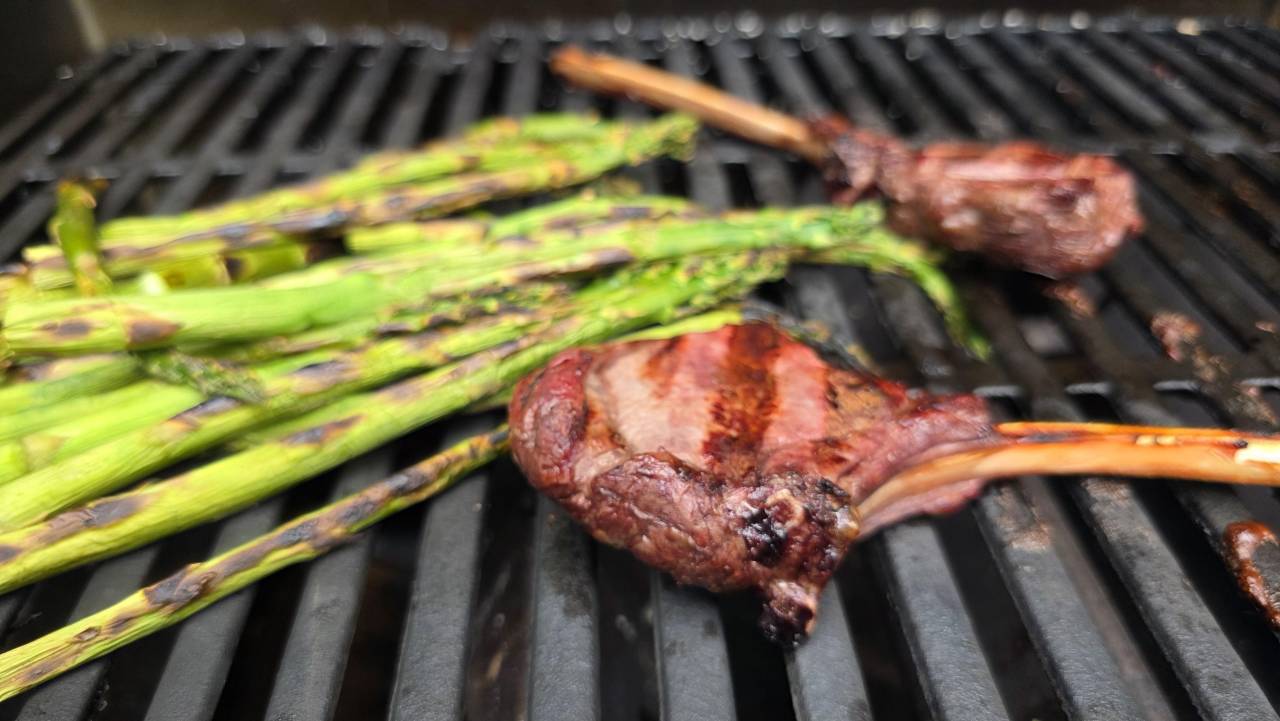
Venison Tomahawks with Blueberry Compote: Elevate Your Summer Grill Game With This Recipe
grilling tomahawk steaks with blueberry compote. Master restaurant-quality techniques and seasonal flavors. Perfect for grill masters seeking impressive results with expert methods.
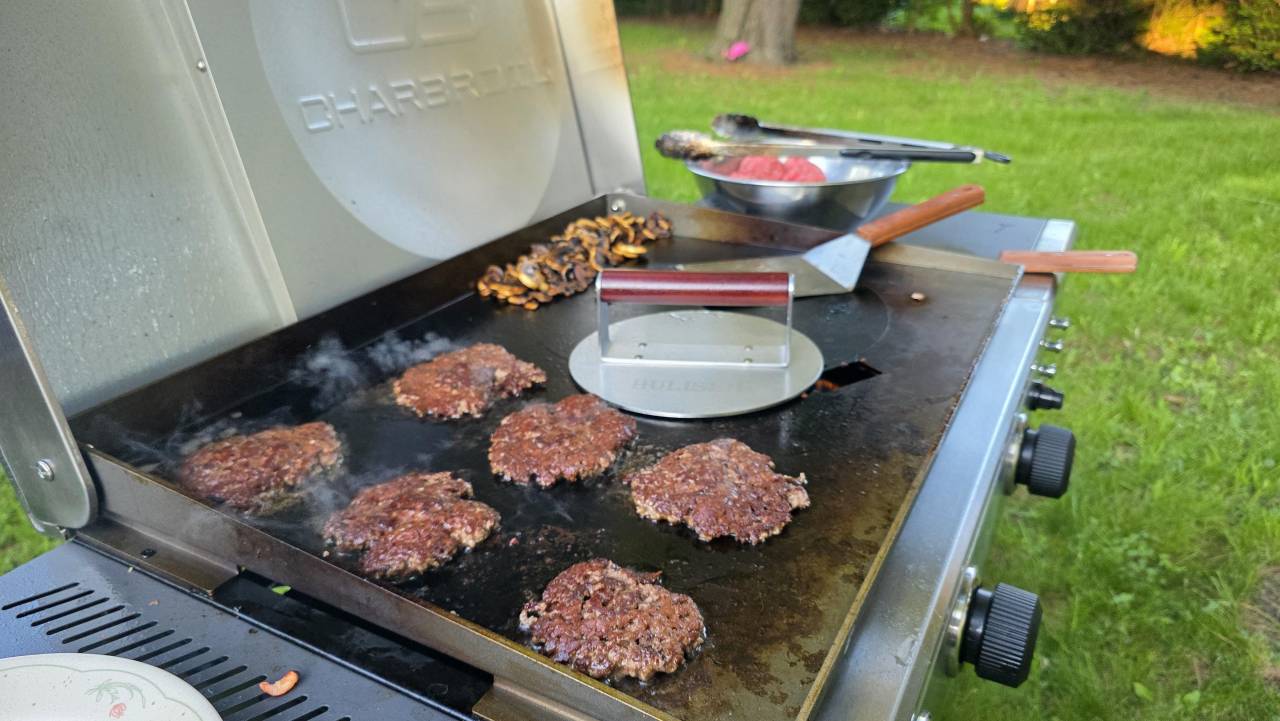
Backyard Grilling Pest Control: Beyond Just Mosquito Prevention
Master backyard grilling pest control with expert tips for keeping rodents, insects and pests away from your outdoor cooking. Includes grill maintenance, natural deterrents & product recommendations.

MeatStick V Wireless Meat Thermometer, 1200°F Heat Resistance
Wireless meat thermometer with WiFi app monitoring, 1200°F heat resistance, and 6-sensor precision for grills, smokers, ovens, and sous vide.
Promoted by FlowAds

Those line items decide whether the backyard gets finished. A $699 pizza oven is a decision you make once. The electrician who runs the circuit for it is a decision you make whether you budgeted for it or not.
Losing Track Of What The Backyard Has Already Cost You
Ask most guys what their backyard setup cost and you get the price of the grill. That number is almost never the real number.
The real number is the grill plus the charcoal you buy several bags at a time, the chimney starter, the thermometer, the cover that cracked after two winters, the propane swaps, the paver base, the string lights. None of it feels like a purchase in the moment. Together it usually beats the centerpiece.
Man Gear Pick of the Month
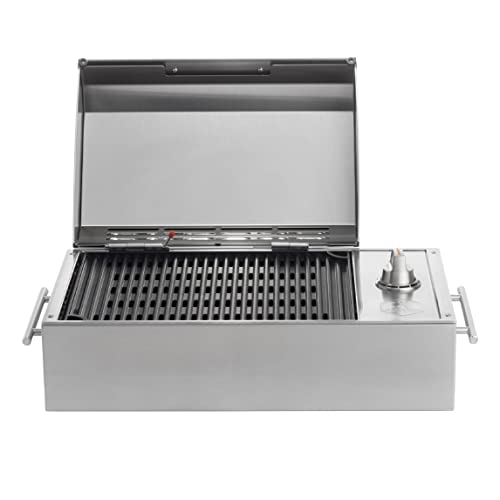
Kenyon City Grill Portable Stainless Steel Electric Grill
Why we picked it: a grill you can actually carry to the campsite, the tailgate or the cabin without borrowing a truck. Stainless, no propane tank to wrestle, and hot enough to cook for four guys rather than reheat for one.
 August's Pick LiberNovo Maxis Electric Big and Tall Ergonomic Office Chair, Graphite 52cm $1,466.00
  July's Pick Powerful Propane Torch Gun, Adjustable Flame Thrower Gun, Kitchen Torch with Detachable Design, Flamethrower Blow Torch for BBQ, Searing Steak, Welding, Camping Charcoal Lighter(Tank Not Included) $41.99
  June's Pick OYASUMI Funny BBQ Man Hot Dog Holders, 4 PCS Reusable Stainless Steel Sausage Stands, Portable Hot Dog Roasters, Barbecue Grill Accessories for Camping & Party Gifts $14.98
 Promoted by FlowAds

The fix takes one sitting. Pull the last two seasons of card statements and tag every line that went to the backyard: gear, fuel, furniture, plants, materials, and the food you bought because people were coming over. The total tells you what you have already proven you will spend, which is the only honest starting point for what the next phase should cost. If you want the account-level version of the same habit, how you set up checking and savings does most of the work for you.
Treating The Budget Like A Limit Instead Of A Green Light
Most guys skip the budget step because they read it as a list of things they are not allowed to buy. Run it the other way. A build-out budget tells you what you are cleared to spend, which is the opposite of a restriction.
Write it in four parts. The fixed costs that get paid regardless. The amount going into savings. Whatever is going toward debt. Then what is left, which is the number you get to spend on the backyard without a conversation or a justification. If the annual Lake Erie fishing trip with the guys comes out of that same pot, it belongs in the plan too, because a backyard budget that quietly eats the trip fund is not a plan, it is a swap nobody agreed to.
Build in slack. Material prices move, the pad needs more gravel than you measured for, and the Saturday somebody suggests smoking a brisket costs more than a normal Saturday. A budget that assumes nothing unexpected happens gets abandoned the first time something does.
Building Around Your Pay Cycle Instead Of Fighting It
Grill and outdoor cooking gear goes on sale on a predictable calendar. Memorial Day, the Fourth of July, Labor Day, then the end-of-season clearance when retailers want the floor space back. Those dates do not move to accommodate your pay schedule.
That is a timing problem, not a money problem. Most guys have bills clustered in the first week of the month, which is the same stretch where a holiday sale tends to land. The money exists. It is just not in the account on the day the price is right.
There are two fixes, and the first one is free. Chart your recurring payments against your pay dates and move what you can. Many lenders, card issuers and utility providers will change a due date on request, and spreading four large bills across the month instead of stacking them in the first week changes what your balance looks like on any given Saturday.
Some banking setups also let you get a paycheck early by releasing direct deposit funds ahead of the scheduled pay date, which buys a couple of days of flexibility. Neither move creates money. Both of them mean the sale and the balance line up more often than they used to.
Reaching For The Credit Card Because The Sale Ends Sunday
A credit card is a fine way to buy a grill when the balance is gone before interest starts. It gets expensive the moment it is not.
The math is unkind on exactly the purchases guys put on a card without thinking. Carry that $699 pizza oven for a year instead of clearing it, and the interest alone adds well over a hundred dollars to a cooker you already thought you paid for. That is the cover, the peel and a season of fuel, spent on nothing.
The filter I would use is one question, asked before the sale ends rather than after: would I still buy this today if it came straight out of checking? If the answer is no, the sale is not the reason to buy it, the sale is the reason it feels urgent. And if balances are already sitting on cards, clear the highest-rate one first while keeping minimums on the rest. Which card you carry and what it earns you is a separate decision worth making on purpose.
Raiding The Emergency Fund For A Grill
The backyard fund and the emergency fund are two different accounts, and the fastest way to undo a year of good decisions is to treat them as one.
Backyard money is discretionary by definition. Emergency money covers the water heater, the transmission, the deductible, the stretch between jobs. When the backyard money runs short and the emergency account is the only one with a balance, the gear gets bought and the next real emergency goes on a card. It is the same timing problem as the sale that lands before payday, with a bigger number attached.
You do not need six months of expenses banked before you are allowed to build anything. Start with enough to cover the repair that would otherwise wreck your month, keep it in a separate account with a name on it so it does not read as spendable, and let it grow while the backyard does. Naming an account by its job sounds small. In practice it is most of what makes the separation hold.
Trading The Employer Match For This Year's Gear
This is the one that costs the most and feels like it costs nothing. If your employer matches retirement contributions and you are not contributing enough to collect the full match, you are turning down money you already earned. It is not a benefit you are declining. It is compensation you are leaving in the company's account. Matching dollars usually carry a vesting schedule, so they become fully yours after a few years rather than on the day they land, but you cannot vest into a match you never triggered.
Run the comparison honestly. Gear you fund by skipping the match is gear you use this summer. The match you skip compounds for however many years you have left before you stop working, and the gap widens every year you repeat the trade. That trade also looks different at 30 than it does once married life and dad life have a claim on the same paycheck.
The version that works is unglamorous. Contribute enough to collect the whole match, build the backyard with what is left, and raise the contribution by one percent a year. One percent is small enough that you will not feel it in the same summer, and large enough that it changes the number you retire on.
Buying The Latest Grilling Gear Isn't As Important As Protecting Your Family's Financial Freedom
None of this is about spending less on the backyard. It is about the setup getting finished instead of stalling at a grill and a folding table for three summers running.
If you want one move this week, write the rest of the build-out as a list, then reorder it by what unlocks the most use rather than what you want most. Lighting beats a second cooker, because lighting adds hours to every night you already host, while a second cooker only matters on the nights you were hosting anyway. Shade and seating rank the same way, which is why a shed conversion often returns more usable evenings than the appliance you were saving for.
The guys whose backyards fill up on a Friday did not spend more than everybody else. They bought the string lights before the second grill.

Promoted by FlowAds
