On December 11, federal hemp rules cap finished products at 0.4 milligrams of total THC per container, which Mark Gillilan expects to clear most full spectrum CBD off the shelf. This is going to cause a lot of confusion and concern for folks who have become accustomed to getting easy and convenient access to these products. Don't worry though, Mark has built and run Kyoto Botanicals on his own since launching it in February 2020, selling only THC-free CBD. Heather and I both use CBD balms, typically with THC, but I have friends with jobs that are regulated who are wary of similar products - now they have an option. We sat down with Mark to talk about what changes for CBD users, how to read a lab report for THC and what to do with the bottles already in your cabinet.
The rule change redefines how hemp is measured, and it sets a hard THC cap on finished products. Mark Gillilan is founder and CEO of Kyoto Botanicals, a THC-free broad-spectrum CBD and functional mushroom brand based in Greenwood Village, Colorado. He built the brand himself and still runs it on his own. He has spent about a decade in hemp, starting as Director of Marketing at Charlotte's Web in 2017 after brand management roles at Nestle and Atkins. Before marketing, he spent five years as a conservation biologist with the USGS and a scientist with Arcadis. He holds a biology degree from the University of Colorado and an MBA from the University of Michigan, and he lives in Colorado with his wife and two children. Mark built every piece of Kyoto Botanicals himself and still runs the brand on his own. He launched in February 2020, just before Covid shut things down, and bet on THC-free CBD at a time when most of the category was built around full spectrum. What did you make or start, and what problem for guys does it solve? First-timer guide to booking a boutique hotel in Tel Aviv for a guys trip - how to spot real boutique properties, pick the right neighborhood, and avoid the beachfront premium trap. Tips and advice on how to plan the perfect Las Vegas Bachelor Party, without pissing off the bride to be. • Visit main historical attractions
• Discover green highlands with tea trails
• Fall in love with the ancient cities A 10-day Thailand tour covering Bangkok temples, floating markets, an elephant sanctuary and Phuket beaches, ideal for culture and beach lovers. Promoted by FlowAds I started Kyoto Botanicals in 2019 and launched it in February 2020, two weeks before COVID shut everything down, so that was quite the welcome to running my own business. Before that, I was Director of Marketing at Charlotte's Web, and before marketing, I was a wildlife biologist, so plants and the outdoors have been my thing for a long time. What I wanted to make was pretty simple. CBD with zero THC, from a guy who actually uses it every day. THC makes me paranoid and anxious, so I have always stayed away from it. Then back in 2019, while I was building our first tincture formulas, I spent a whole day tasting batch after batch of full-spectrum hemp extract, and it hit me right after I finished; I was high as hell. I had been in the industry a couple of years by then and no brand ever talked about that being something that could happen. So for me, the problem that it solves for guys is having wellness products without worrying about the high. We don't always prioritize our mental health, our sleep, our recovery, you name it, so having products that are reliable, won't get you high, and help support body, mind and spirit is what we solve at Kyoto Botanicals. Why we picked it: a screen big and bright enough to double as a photo frame, a titanium and sapphire build that came through a month of daily wear without a scratch, and battery life that still runs weeks between charges. Promoted by FlowAds Mark has sold only THC-free CBD since launch, which he says made Kyoto Botanicals an outlier in the category. When he pitched this interview, he called the December 11 rule the point where that commitment starts to pay off. You went THC-free from day one, at a time when most of the category was built around full spectrum. What did holding that line cost you along the way? It cost us sales, pretty plainly. The category kept pushing the THC loophole further and further, with even the legacy brands leaning heavily into higher THC products. But it always bothered me immensely that the category that was created for wellness so heavily shifted towards a high, so I held the line on THC-free to this day. It also costs more to make. Removing THC takes an extra processing step, and we test every batch to non-detect, not just under the legal limit. But I have never been into THC and I was not going to sell guys something I would not use myself, especially anyone where that matters. Now that the federal rule changes on December 11 and most full spectrum products become illegal, those years of explaining look a lot better than they felt at the time. The new federal cap is 0.4 milligrams of total THC for an entire container, not per dose or per serving. That number counts THCA too, which is why a product that passed the old delta-9 test can fail the new one. Picture a guy who has bought the same full spectrum tincture or gummies for the last couple of years. When December 11 arrives, what changes for him? The biggest change is that his product will probably no longer be legal. Under the new federal definition, hemp products are capped at 0.4 milligrams of total THC per container, and most full spectrum tinctures and gummies carry well over that, so brands either reformulate or stop selling them. My advice to that guy is to stop reordering full spectrum now, use up what he already has at home, and don't buy any full spectrum CBD after December 11. If he wants to keep CBD in his routine, look for broad spectrum products and check the lab report (COA) for THC listed as ND, or non-detect. A certificate of analysis, or COA, is the lab report that shows what is in a specific batch of a product. Under the old rule the THC line that mattered was delta-9, and under the new one you are reading for total THC, which is why Mark says the process gets more complicated. Most guys have never opened one of those lab reports. Say he's on a brand's site and finds the certificate of analysis for the product he wants. Walk me through what he checks. It looks intimidating, but there are really only a few things to check. First, make sure it is from an independent, third-party lab, ideally one that is ISO 17025 accredited (it is usually printed right on the report), and not a test the brand ran itself. Second, match the batch or lot number on the report to the one on your bottle, and check the date, since an old COA for a different batch does not tell you much. Then go to the cannabinoid section. CBD should roughly match what the label says, and every THC line (delta 9, THCA, delta 8, total THC) should read ND, for non-detect. If you see a number there, or something like less than LOQ, that product has some THC in it. I wrote an overview of this, which is a deep dive on what the change means, how to read a COA and how to check your products. Mark pitched this interview because of the confusion around what the change means for people who already use CBD, including what to do with products already at home. The federal rule is only one layer, since states can write stricter hemp and cannabis rules of their own. Picture him on December 12, standing in front of his cabinet with a half-finished bottle of full spectrum tincture he bought back in October. Does the new rule reach into his cabinet, or is it only about what companies can make and sell? At this point I think the focus and the spirit of the law is on what companies make and sell to limit access to high THC hemp products, not on what guys already have in their homes. Starting on December 12 though, any hemp-derived CBD products purchased will need to be below 0.4mg THC per container. These three labels describe how much of the hemp plant's extract ends up in the product. After December 11 the label is your first clue to whether a product was made with THC left in, before you ever open the lab report. For the guy standing in front of a shelf who has never thought about these categories, what is the difference between full spectrum, broad spectrum and isolate? Full spectrum is closest to the whole plant, so CBD plus the other minor cannabinoids and phytocompounds like terpenes and flavonoids. Broad spectrum starts from that same whole plant, full spectrum extract and then takes the THC out, typically through chromatography, so you keep the rest of the plant compounds and lose the THC. Isolate is basically the inverse of that. It is just the CBD pulled out of the extract with everything else left behind. Earlier you told guys to look for broad spectrum products. For a guy who wants to stay clear of THC, is that the label to look for? Yes, look for broad spectrum CBD with lab reports showing ND (non-detect) for THC and all variants like THCa, THCV, and THCVa. By early 2027 the new rules will have been in place for a few weeks. Mark expects many full spectrum products to be reformulated or pulled, so a favorite brand may look different, or be gone, by the time you restock. Fast-forward to early 2027. A guy who uses CBD for sleep or recovery is restocking for the first time since December 11. What does buying CBD smart look like for him now? If you are buying in a store, look for a QR code on the package that links to the COA, and make sure the batch number on that report matches the number on the package you are holding. If you are buying online, make sure the product has a COA posted before you order, and when it shows up, check that the batch number on the package matches that COA. Then, either way, read the report and make sure every THC variant (delta 9, THCA, delta 8, total THC) shows ND. If a brand cannot give you a matching COA, or the THC lines show a number, put it back and move on. A COA describes one production batch, identified by a batch or lot number that should appear on both the report and the package. That number, along with the test date, is how you know the report you are reading applies to what you bought. When a guy opens one of these reports for the first time, what is the most common mistake you see people make reading a COA? Not matching the batch numbers. Without doing that, the COA could be for any product. So he has the COA open on his phone and the bottle in his hand. Where does he find the batch number on each, and what should a proper match look like? I cannot speak for other brands, but for our products, the batch number is printed on the bottom of the package and then on our COAs the batch number is at the top of the report, so it is easy to line them up. But you also want to check the lab report dates and make sure they are from the last 18 months or so at the latest, to ensure your product isn't close to its best-by date. Before anything goes in the cart, Mark's checks are an independent lab, a batch number that matches the package and every THC line reading ND. One addition: screenshot the COA when you buy, because product pages change and you will want the report for your batch on hand. For my friends with drug-tested jobs, a clean lab report is not a guarantee about any drug test. None of this is legal or medical advice, so check your state's rules and your employer's policy. For the basics, start with our rundown of what CBD is, and if you pack it for a weekend with the guys, read up on CBD for travel recovery. Mark's THC-free lineup is at Kyoto Botanicals. Promoted by FlowAds
A One-Man CBD Brand Built On Zero THC
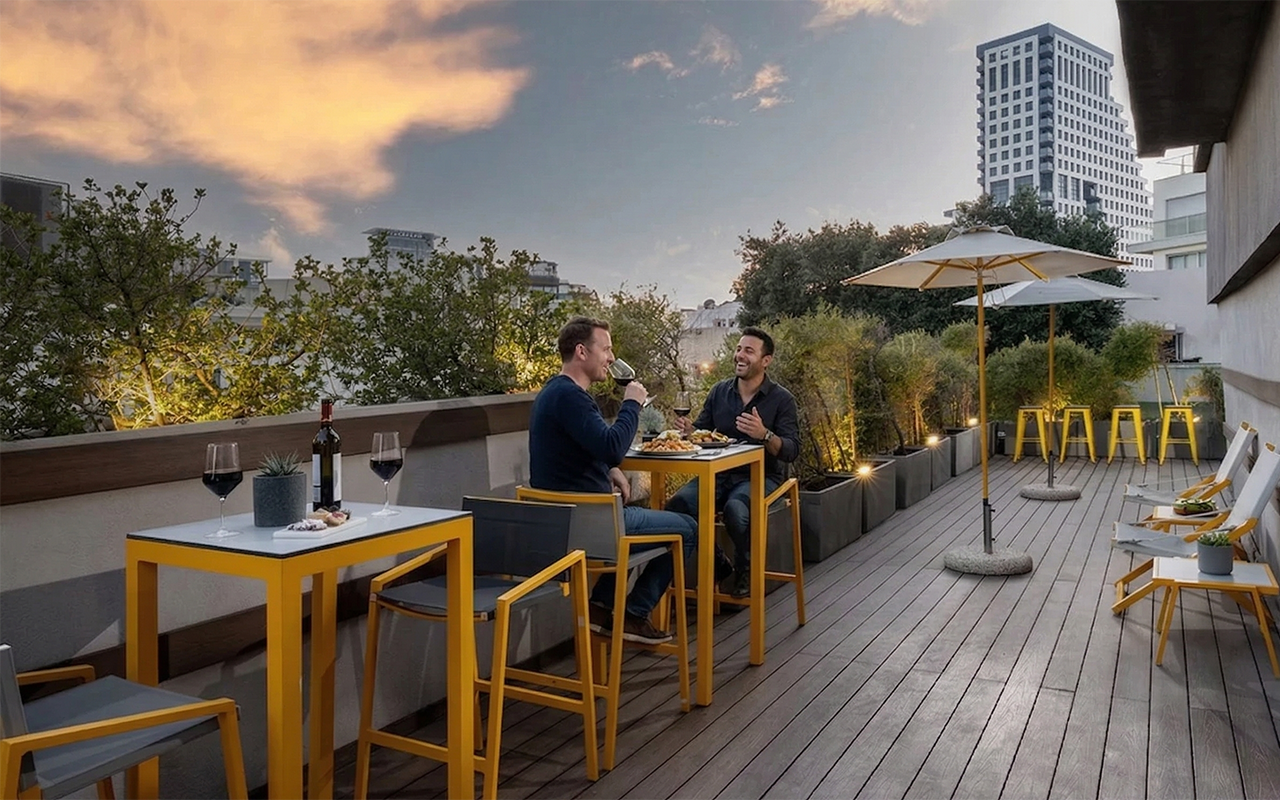
What First-Timers Get Wrong About Booking a Boutique Hotel in Tel Aviv
How to Plan a Vegas Bachelor Party (and not piss off the bride)

5 Day Private Tour Sri Lanka

Highlights Of Thailand In 10 Days

Man Gear Pick of the Month

COROS Pace 4 Pro GPS Sport Watch
 October's Pick Made In Cookware - Cleaver - Full Tang With Olive Wood Handle - Crafted in France $199.00
 August's Pick LiberNovo Maxis Electric Big and Tall Ergonomic Office Chair, Graphite 52cm $1,393.00
 July's Pick Powerful Propane Torch Gun, Adjustable Flame Thrower Gun, Kitchen Torch with Detachable Design, Flamethrower Blow Torch for BBQ, Searing Steak, Welding, Camping Charcoal Lighter(Tank Not Included) $39.99

The Sales Kyoto Botanicals Gave Up To Stay THC-Free
What Happens To Your Full Spectrum Tincture
Reading A CBD Lab Report Line By Line
The CBD Already In Your Cabinet
Full Spectrum Vs Broad Spectrum Vs Isolate
Restocking CBD In A Store Or Online
The Most Common COA Mistake: Skipping The Batch Number
Keep A Screenshot Of Every Lab Report

